
Decarbonising Freight and Port Operations: From Ambition to Implementation
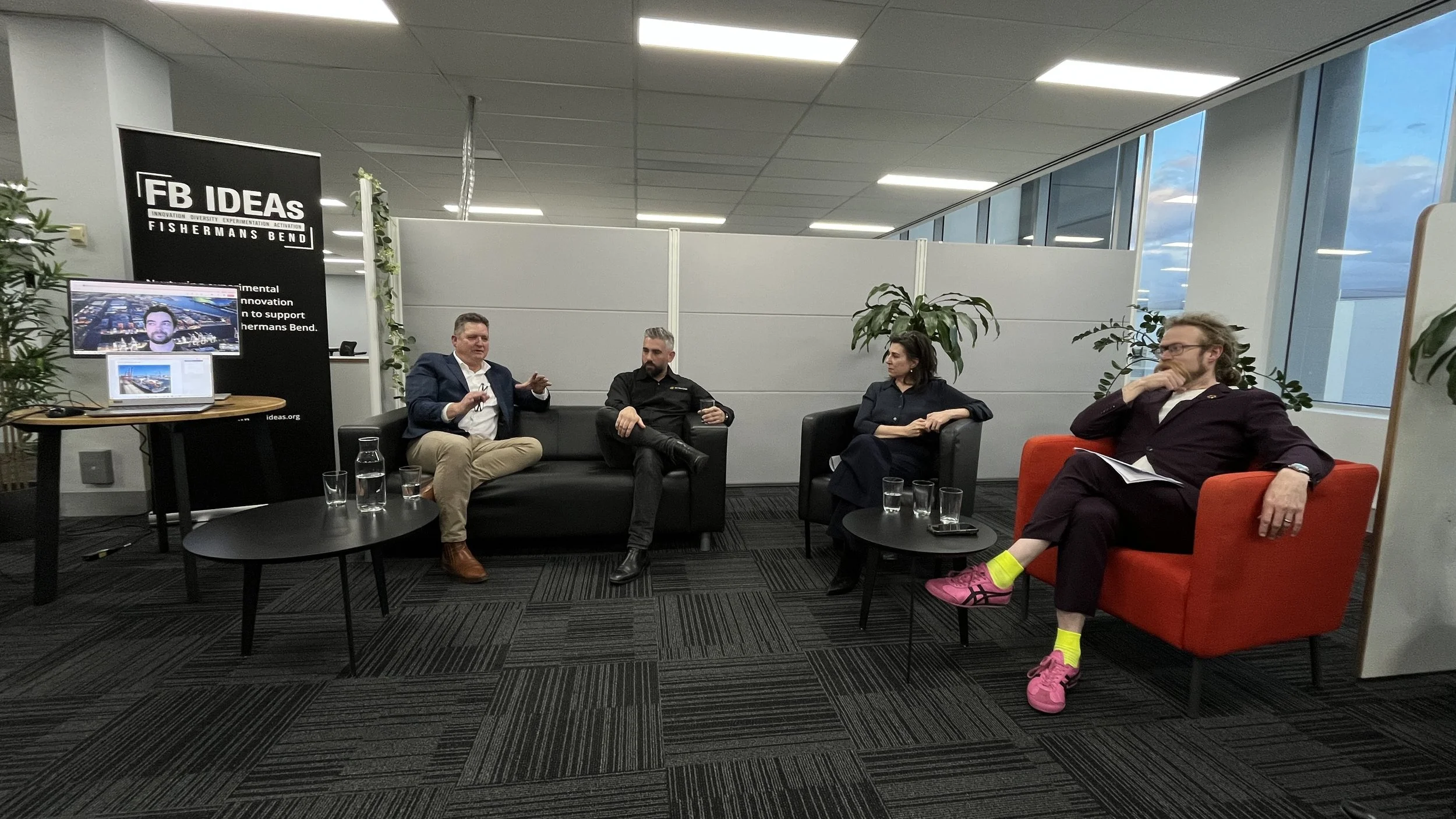
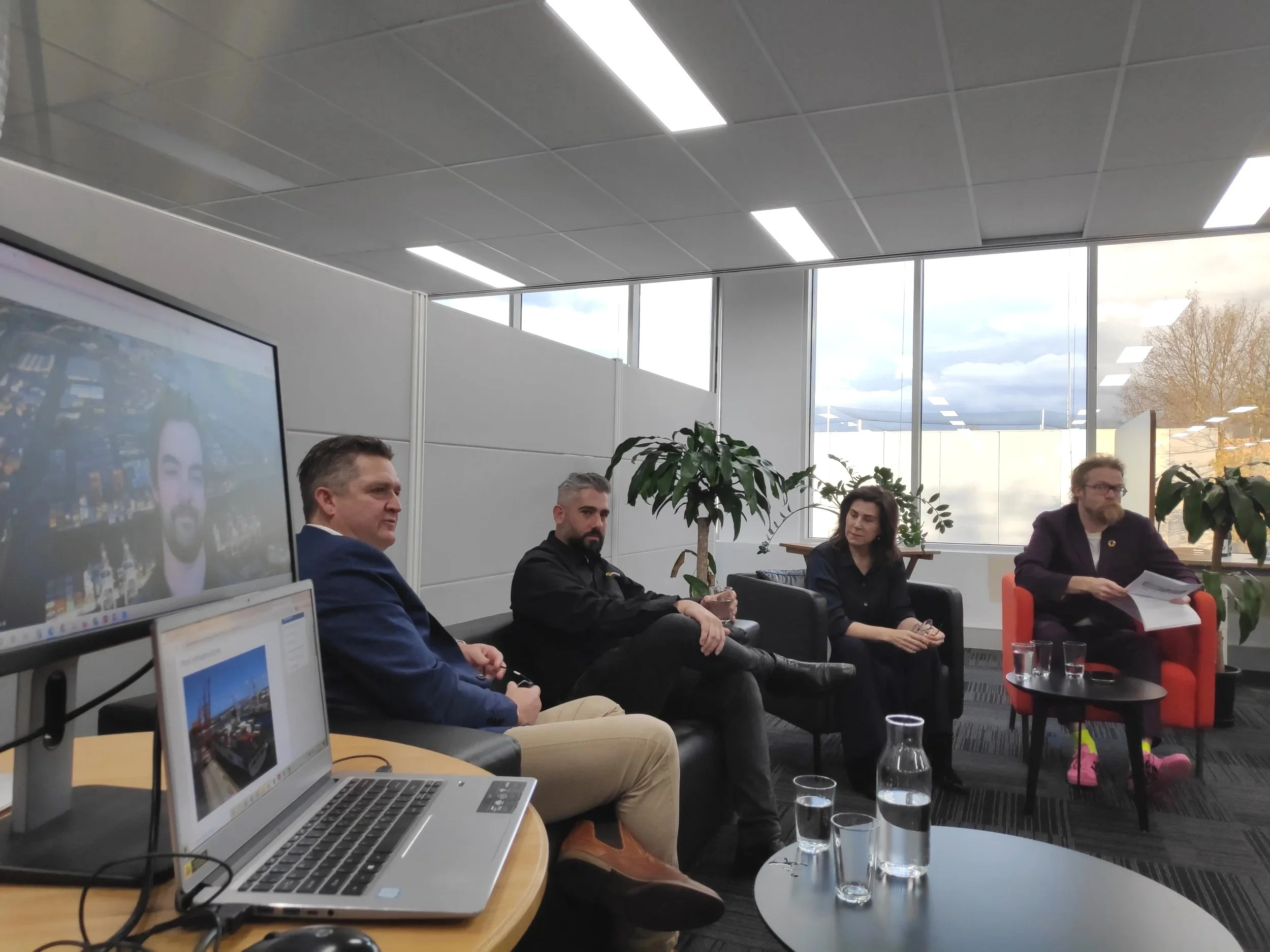
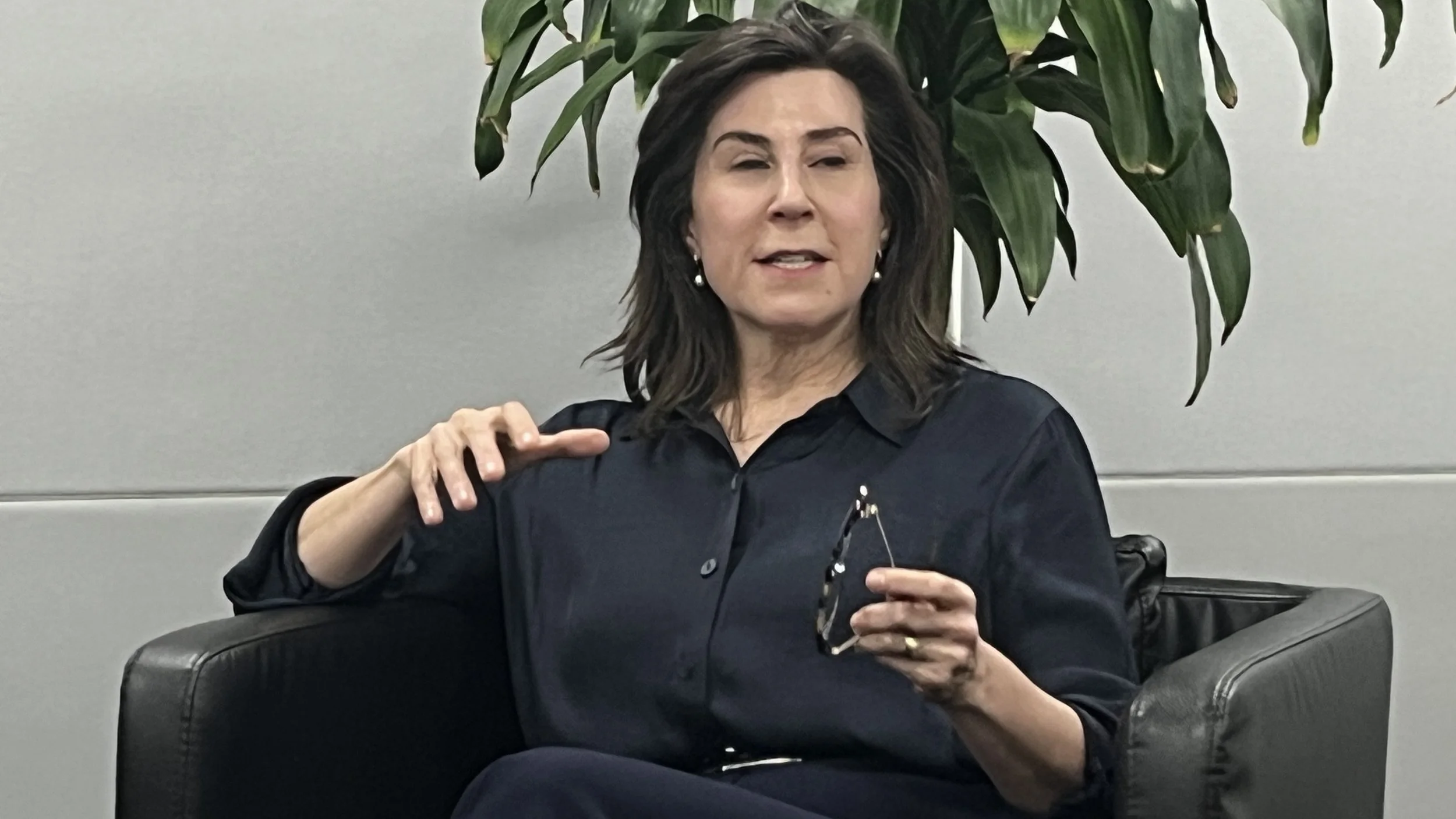
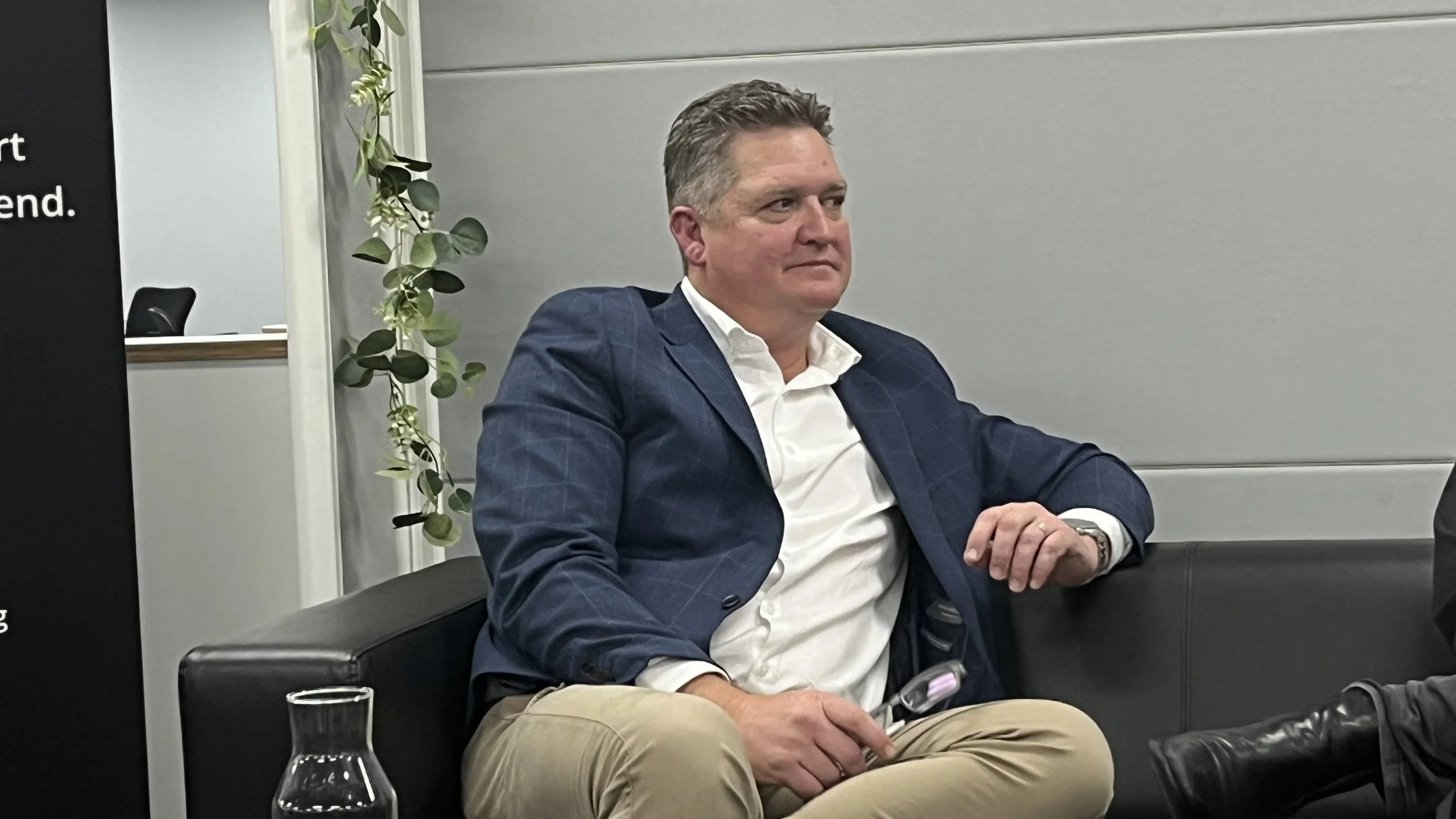

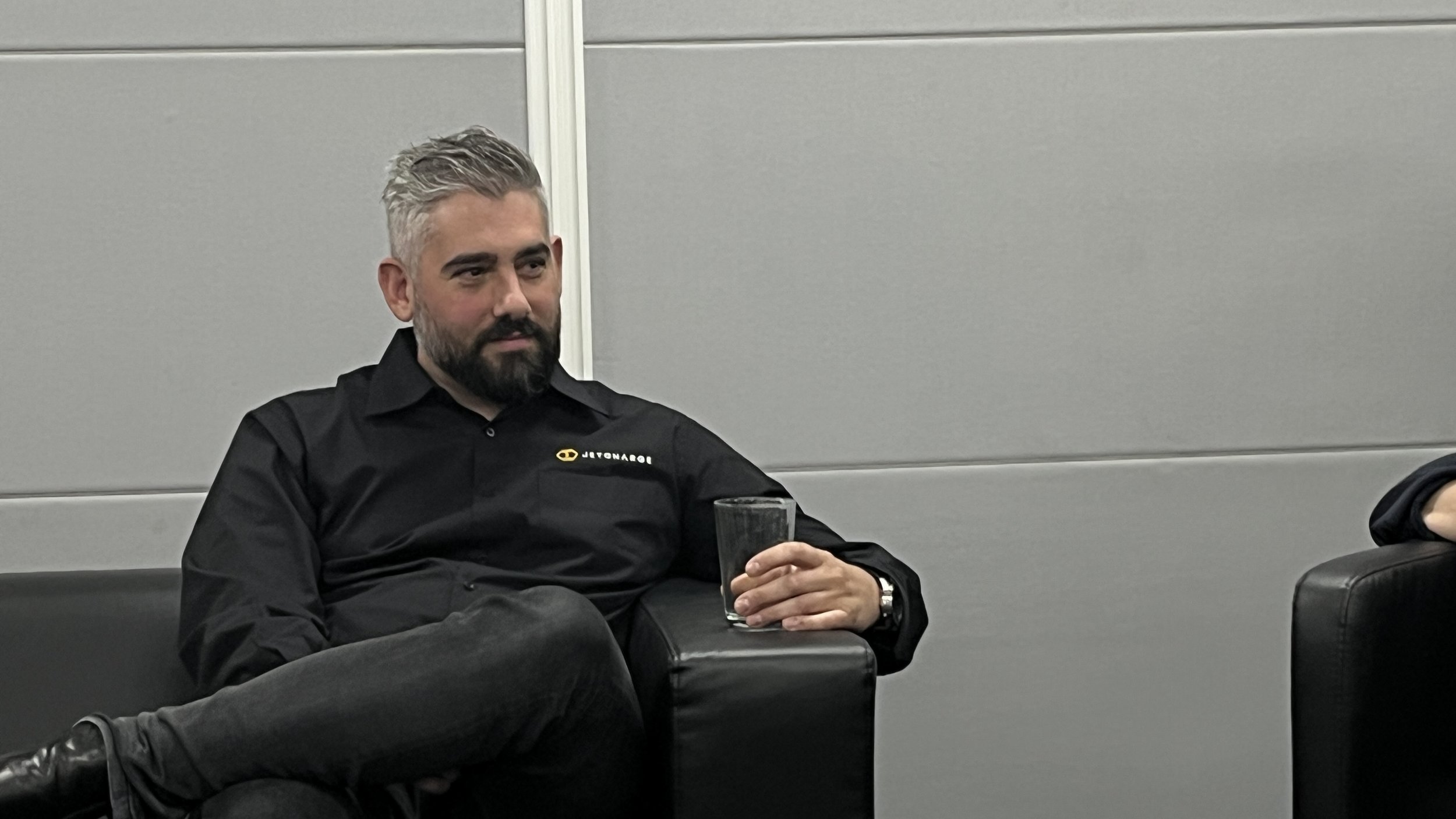
Earlier this month, FB IDEAs hosted a panel discussion exploring current trends, opportunities and challenges shaping the future of freight and heavy transport. Facilitated by Edward Lynch-Bell from Second Mouse, the discussion brought together Lee-Ann Breger from the Future Freight CRC, Tim Dornom from the Port of Melbourne, Anthony Iannunzio from JET Charge and Troy Sparkman from Downer to share perspectives from across the freight ecosystem.
While the conversation highlighted significant challenges, the dominant theme was clear: many technologies required for meaningful emissions reductions already exist today, and the focus must now shift to implementation, infrastructure investment, and industry collaboration for targeted R&D.
An Appetite for Change - starting at the Port
Opening the discussion online, Tim Dornom, Head of Sustainability at the Port of Melbourne, outlined the Port of Melbourne's perspective on supporting customers' decarbonisation journeys. The Port's role, he explained, is not simply to reduce its own emissions but to create the long-term infrastructure that enables shipping lines, freight operators, and logistics providers to achieve their sustainability goals. A clear pathway has recently been established through an MOU with Svitzer for the transition to electrified tugboats. One example already in operation is shore power at a major berth, where vessels can connect directly to electricity while docked rather than running onboard engines. Tim noted that shore power is particularly viable where the same vessels regularly use the same facilities. However, broader deployment across port operations remains more complex due to varying vessel types and operational patterns. The discussion also highlighted the growing challenge of road congestion in Melbourne's west and the increasing focus on shifting freight from road to rail. This transition is viewed as an important part of both emissions reduction and network efficiency.
Rail de-carbonisation - matching technology to task
Troy Sparkman, Executive General Manager for Downer Rail and Systems, challenged conventional assumptions by suggesting that electrification alone is not the complete solution. Instead, he pointed to innovations in dynamic charging, where trains can charge while operating under electrified sections of track. Troy described a future rail network featuring approximately 20 kilometres of overhead charging infrastructure combined with dual-cab battery-electric locomotives capable of operating for 60 to 80 kilometres between charging opportunities.
According to Troy, the technology is not theoretical. Similar systems have operated successfully in China for several years and have now been adapted by Downer to Australian conditions. With engineering design work completed, the focus has shifted to deployment, with the first applications potentially arriving within two years. Despite the technological readiness, economics remain a major barrier. Introducing new technologies often increases costs while existing diesel infrastructure remains fully depreciated and relatively inexpensive to operate. Troy also highlighted the significant impact of environmental conditions, such as headwinds across long routes like the Nullarbor, which can dramatically increase energy consumption and diesel usage, making it a compelling but highly challenging long-term development opportunity.
Infrastructure before Adoption
Representing the electric vehicle sector, Anthony Iannunzio from Jet Charge described the rapid progress being made in electrifying freight fleets. Fleet modelling consistently shows that daytime charging will be necessary alongside overnight depot charging, particularly for commercial operators with demanding schedules.
Anthony highlighted the opportunity for charging infrastructure at ports to support both freight operations and broader public charging networks. Creating confidence among fleet operators requires more than installing chargers; it involves developing complete energy ecosystems incorporating vehicle-to-grid capabilities, solar generation, and battery storage. By combining these elements, businesses can improve economics and potentially adopt fully operational expenditure-based models that avoid large upfront capital investments.
A recurring theme throughout the discussion was the role of government funding. When asked where public investment should be directed, panellists broadly agreed that infrastructure should take priority over subsidising individual vehicles. Shared charging facilities, particularly in logistics hubs where rail, road, and maritime transport intersect, can lower barriers for smaller operators that may lack the capital required to invest independently.
The Port of Melbourne itself is exploring opportunities to support charging infrastructure. One potential site discussed was land adjacent to the Melbourne Market precinct that could serve as a future heavy vehicle charging facility. Given that trucks already operate on scheduled timeslots for container collection and delivery, these waiting periods could provide ideal opportunities for charging top-ups without disrupting freight movements.
Optimising the Freight Network
From a research and innovation perspective, Lee-Ann Breger from the Future Freight CRC emphasised the importance of visibility and coordination across what remains a highly fragmented freight ecosystem. Through collaboration between industry, universities, and research organisations, opportunities exist to better integrate road, rail, and maritime transport systems, allowing each mode to perform the tasks it does best.
Lee-Ann pointed to Fishermans Bend as a unique innovation precinct where geographical proximity between industry, ports, researchers, and government could accelerate the development and deployment of new solutions. She argued that governments should focus on enabling collaboration and supporting infrastructure rather than controlling innovation. Cooperative Research Centres, she noted, are designed to facilitate research and commercialisation without seeking ownership of intellectual property, ensuring innovations are rapidly adopted where they create the greatest impact.
Looking Ahead
The panel also explored emerging technologies such as battery swapping and inductive charging. While neither is currently a major focus, both remain under consideration. Battery swapping has been trialled internationally, including in New Zealand, while advances in battery technology continue to improve power density and operational flexibility. The group also discussed electrified trailers, automation, and the potential for solar panels on trains and trucks. While solar is unlikely to provide primary propulsion, it could serve as a meaningful range extender or support auxiliary loads such as refrigeration systems.
Audience questions turned to Australia's innovation environment and the challenges of securing funding. Participants noted that while organisations such as ARENA have played a critical role in supporting new technologies, access to funding can still be complex. Comparisons were drawn with Europe, North America, and parts of Asia, where stronger policy frameworks, carbon pricing mechanisms, and regulatory mandates have accelerated decarbonisation efforts.
Tim observed that Australia's geography creates unique challenges due to long transport distances and dispersed population centres. However, this also presents an opportunity to learn from international successes and avoid repeating mistakes. Shore power, for example, has demonstrated both the benefits of strong mandates and the need to address electricity supply constraints.
Troy argued that Australia should move from being a technology follower to becoming a technology leader, particularly in rail. Rather than waiting for traditional locomotive manufacturers to prioritise battery-electric solutions, Australian industry has an opportunity to develop local capability and partnerships that accelerate deployment.
The discussion concluded with a broader reflection on innovation culture. Anthony encouraged organisations to engage charging infrastructure providers early in their planning processes, leveraging lessons learned before vehicle procurement decisions are even made. Lee-Ann added that Australia often faces a more restrictive regulatory environment than countries such as the United States, where innovation is generally permitted unless specifically prohibited.
Ultimately, the panel delivered a pragmatic but optimistic message. Decarbonising freight and port operations will require significant investment, collaboration, and infrastructure development, but the technologies are increasingly available. The challenge is no longer proving what is possible — it is creating the conditions that allow implementation at scale.
