
Advanced Manufacturing: Building capability, resilience and the ecosystems to support it
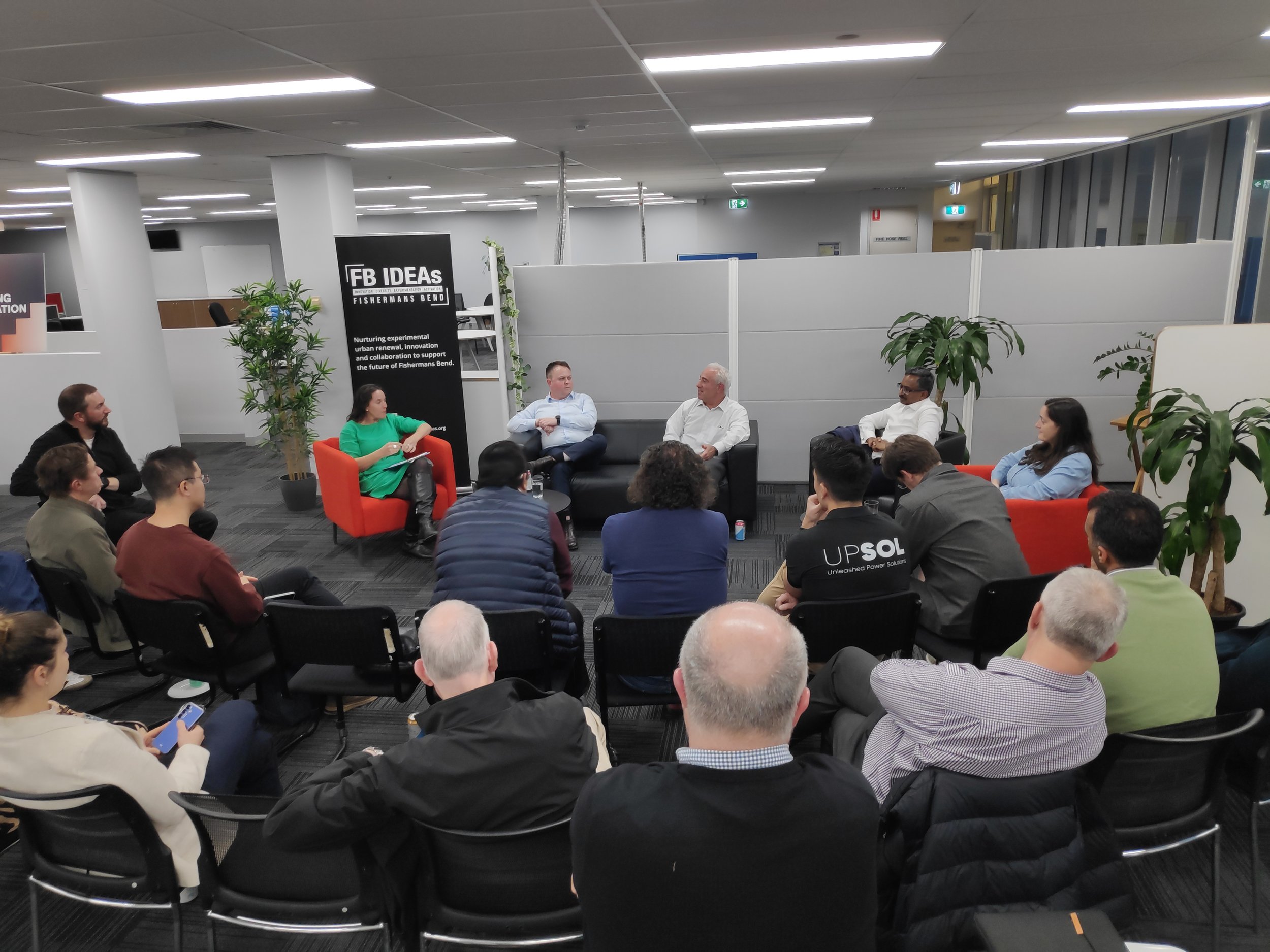
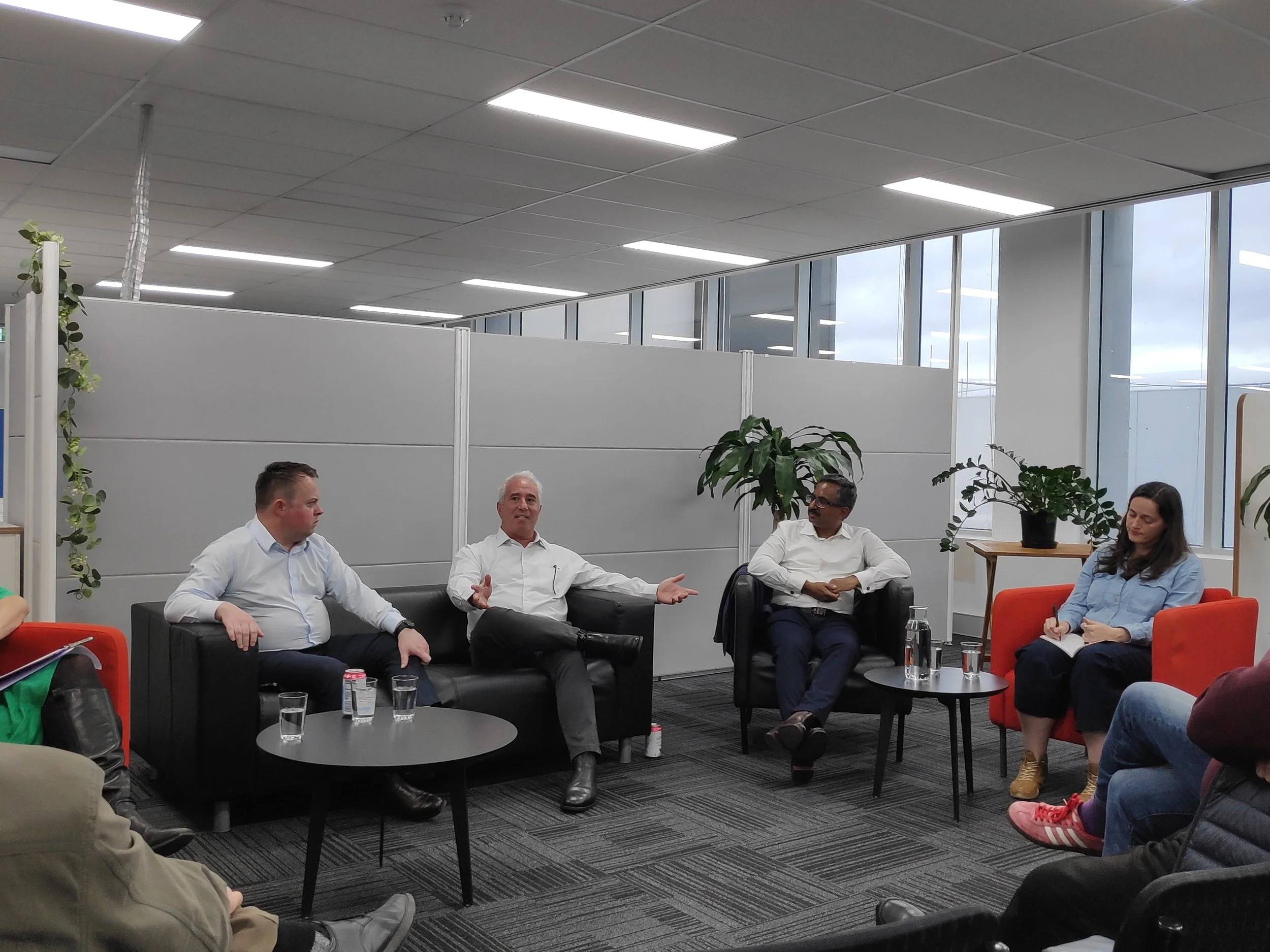
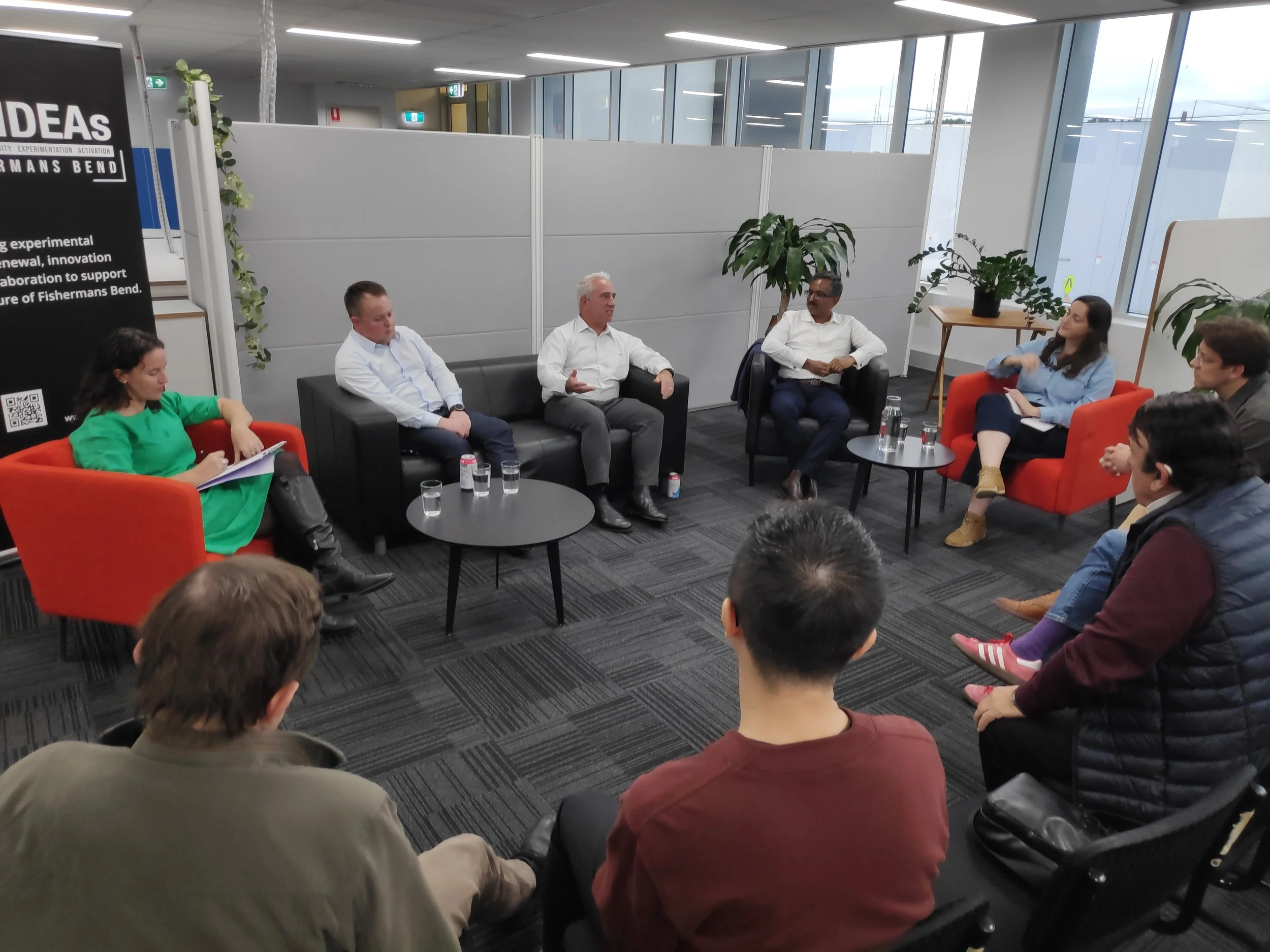
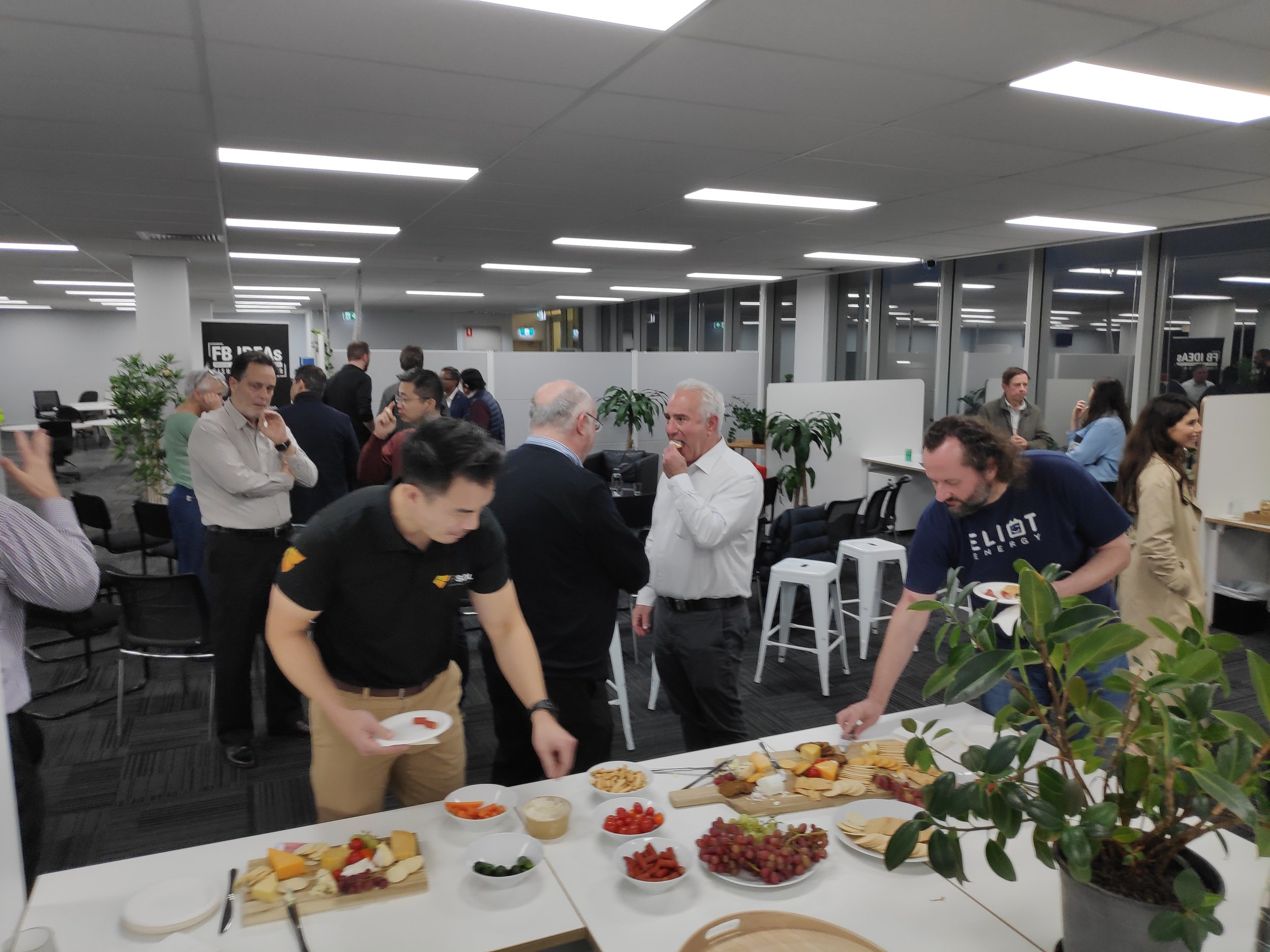
What does the future of advanced manufacturing in Australia look like? This question was at the heart of a recent panel discussion at the FB IDEAs Hub. The discussion brought together experts from research, industry and commercialisation to explore key insights from Australian Manufacturing Week (AMW) in Brisbane and AusMedTech in Perth, highlighting emerging trends, opportunities and challenges for Australia's manufacturing sector.
Guided by FB IDEAs General Manager Kate Spencer and Area 53's Associate in Science and Innovation Ashlie Hartigan, the discussion featured perspectives from Oded VanHam of the Australian National Fabrication Facility (ANFF), Professor Suresh Palanisamy, Chair of the Innovation Taskforce for the Additive Manufacturing CRC (AM CRC) and Professor of Advanced Manufacturing at Swinburne University of Technology, and Jack Hayes from AusIndustry.
Skills, commercialisation and retaining talent
Reflecting on AMW Brisbane, Suresh Palanisamy highlighted the strong presence of automation and cutting technologies, while noting that shortages in both traditional skills like welding, and emerging skills like digitisation, remain one of the most significant challenges facing the sector. He expressed confidence that Australia is moving towards an advanced manufacturing future, supported by research, industry collaboration and emerging technologies such as AI.
Drawing on discussions at AusMedTech, Oded VanHam identified AI, supply chain resilience and the transition from innovation to commercialisation as key themes. He emphasised the need to strengthen Australia's ability to scale manufacturing locally and pointed to opportunities in high-value, low-volume manufacturing rather than competing on production volume alone.
From a government and industry support perspective, Jack discussed challenges around material shortages, supply chain uncertainties and rising costs, particularly for specialised materials. He also noted the uncertainty many businesses face when considering global developments in their long-term strategies. Asked about the challenge of keeping innovation in Australia, Jack pointed to federal mechanisms designed to support local competitiveness, including the Research & Development Tax Incentive, which is currently undergoing changes to focus support on targeted activities, and the National Reconstruction Fund.
The discussion explored the broad range of skills required to support advanced manufacturing, spanning research, regulation, technology development and commercialisation. Ashlie Hartigan highlighted the challenge of developing and retaining these capabilities, particularly within smaller businesses.
Building ecosystems, not just companies
A recurring theme throughout the evening was the importance of building ecosystems rather than focusing solely on individual companies. According to the panel, it is crucial to raise awareness of the resources, facilities and expertise already existing within Australia's innovation ecosystem.
Organisations such as ANFF and the Additive Manufacturing CRC were highlighted as examples of how shared facilities, expertise and industry collaboration can help businesses access capabilities that would otherwise be difficult to develop independently. Where tailored facilities are required, Area 53 was spotlighted for its role in supporting growth through access to scalable laboratory spaces and innovation infrastructure.
Adaptability as a competitive advantage
A strong message from the discussion was the importance of adaptability. Whether responding to changing markets, new technologies, supply chain disruptions or emerging opportunities, businesses must be prepared to evolve continuously. However, the panel also acknowledged a challenge often overlooked in conversations about sovereign capability and crisis preparedness. If manufacturers are expected to pivot in times of need, what should they be producing during normal market conditions?
Rather than maintaining idle capacity, the discussion pointed towards building businesses around future-focused and commercially viable products and services that develop skills, infrastructure and manufacturing expertise over time. These capabilities can then be redirected when circumstances change. In this view, resilience comes not from producing everything locally, but from maintaining a diverse and adaptable manufacturing base.
Australia may never again compete on volume manufacturing in areas such as automotive production. However, the panel saw significant opportunities in high-value, specialised products, complex systems and advanced manufacturing capabilities that can pivot when needed. For businesses planning their future, the challenge is not simply how to grow today, but whether they will remain viable in ten years' time.
Drawing on the topics discussed, the consensus of the panel was clear: organisations that remain agile, connected and willing to adapt will be best positioned to thrive in the advanced manufacturing era. Strengthening advanced manufacturing capabilities, investing in skills, and fostering collaboration across the ecosystem will be key to ensuring Australian businesses remain competitive in an increasingly uncertain global environment.
