Enhancing building performance: Tackling heat loss with high-efficiency window inserts
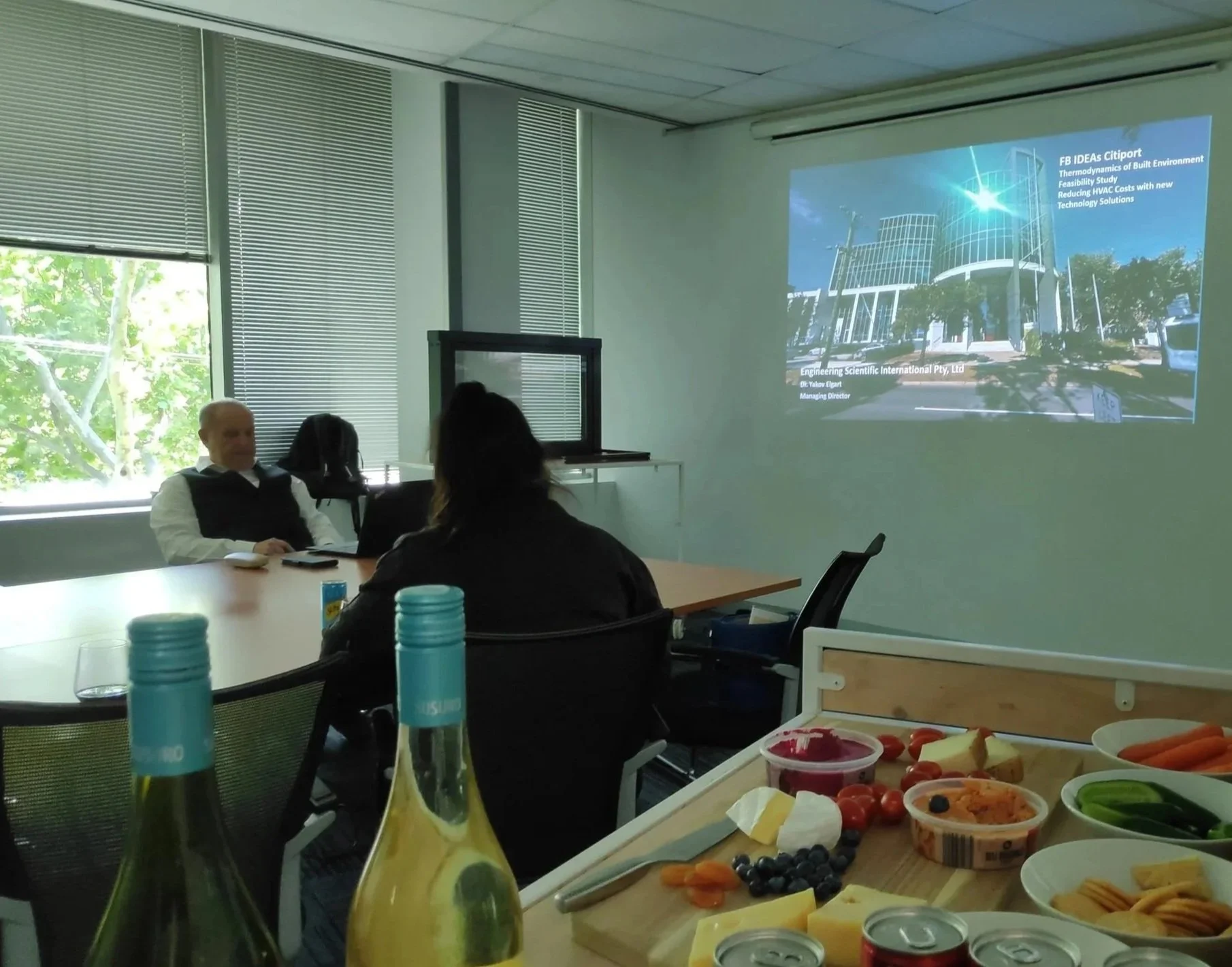
Last month, Dr. Yakov Elgart from Engineering Scientific International (ESI) presented Thermodynamic Insights of Retrofitting Innovations in Fishermans Bend, sharing findings from a study conducted with FB IDEAs support at the FB IDEAs Hub. The study focused on identifying feasible, cost-effective technologies to quantify and improve thermal efficiency, occupant comfort, and NABERS ratings in existing buildings within Fishermans Bend, supporting the precinct’s vision of becoming a low-carbon community. The study was conducted in collaboration with Urban Logistics Co., Area53, and CBRE.
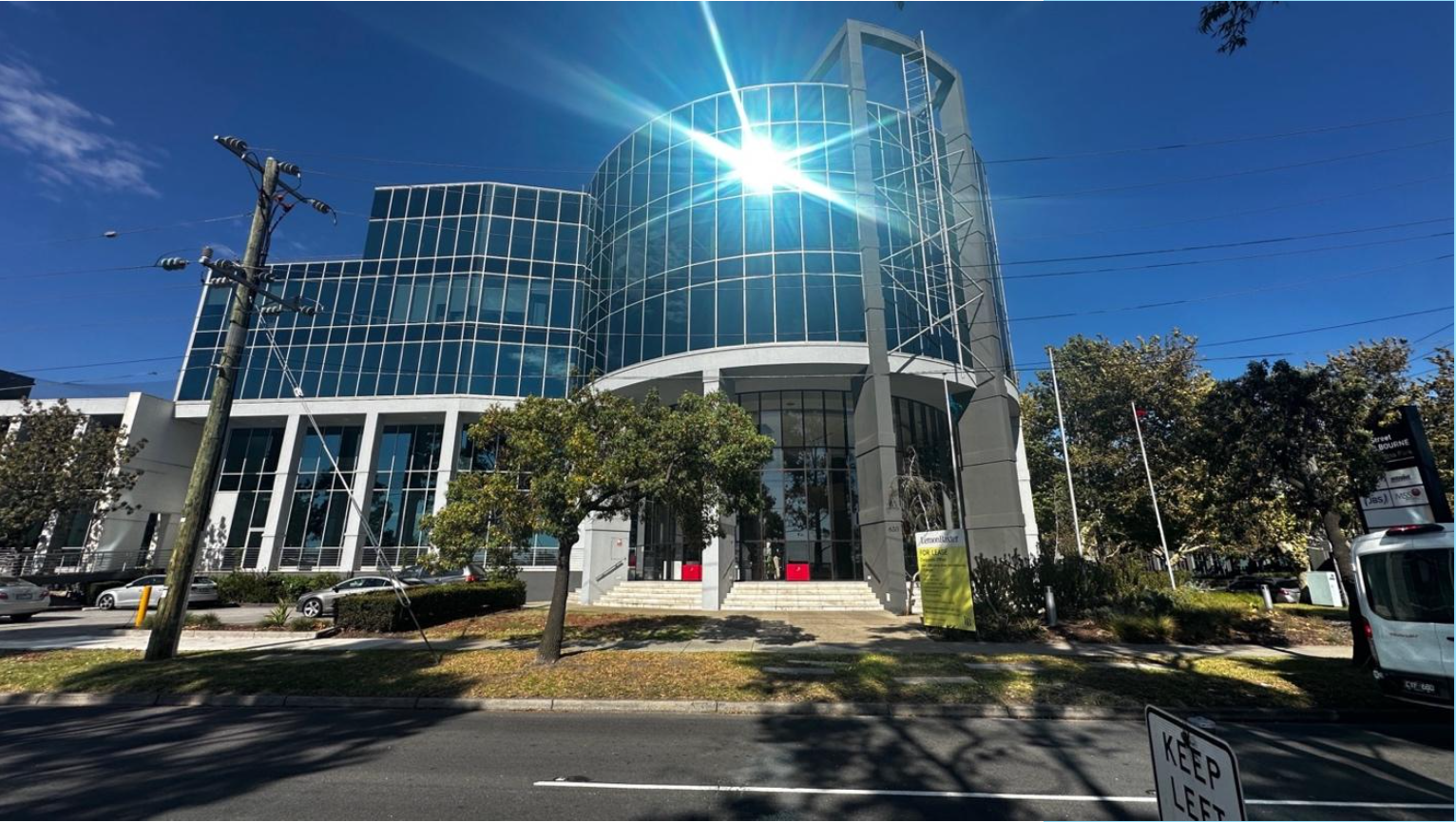
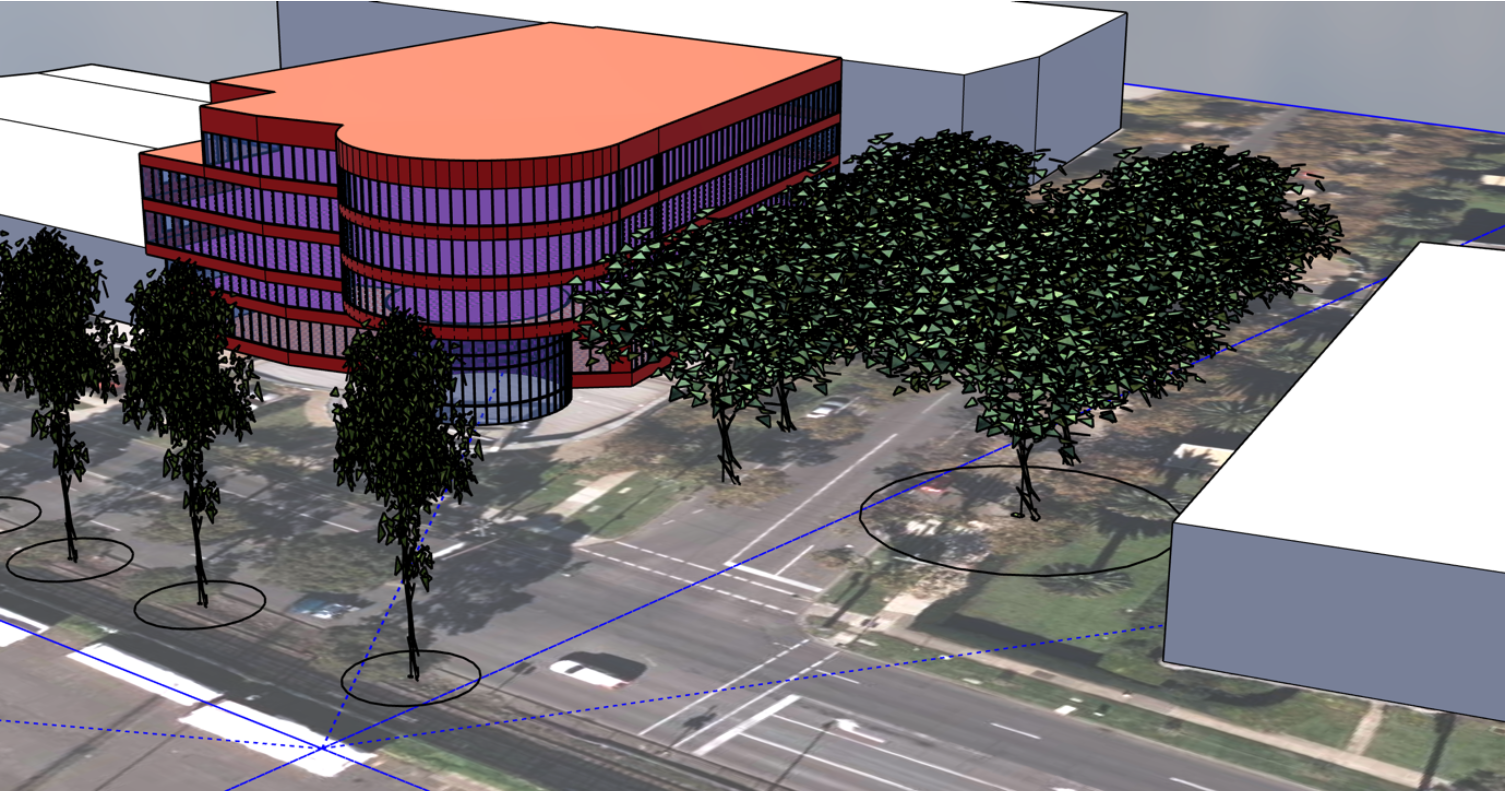
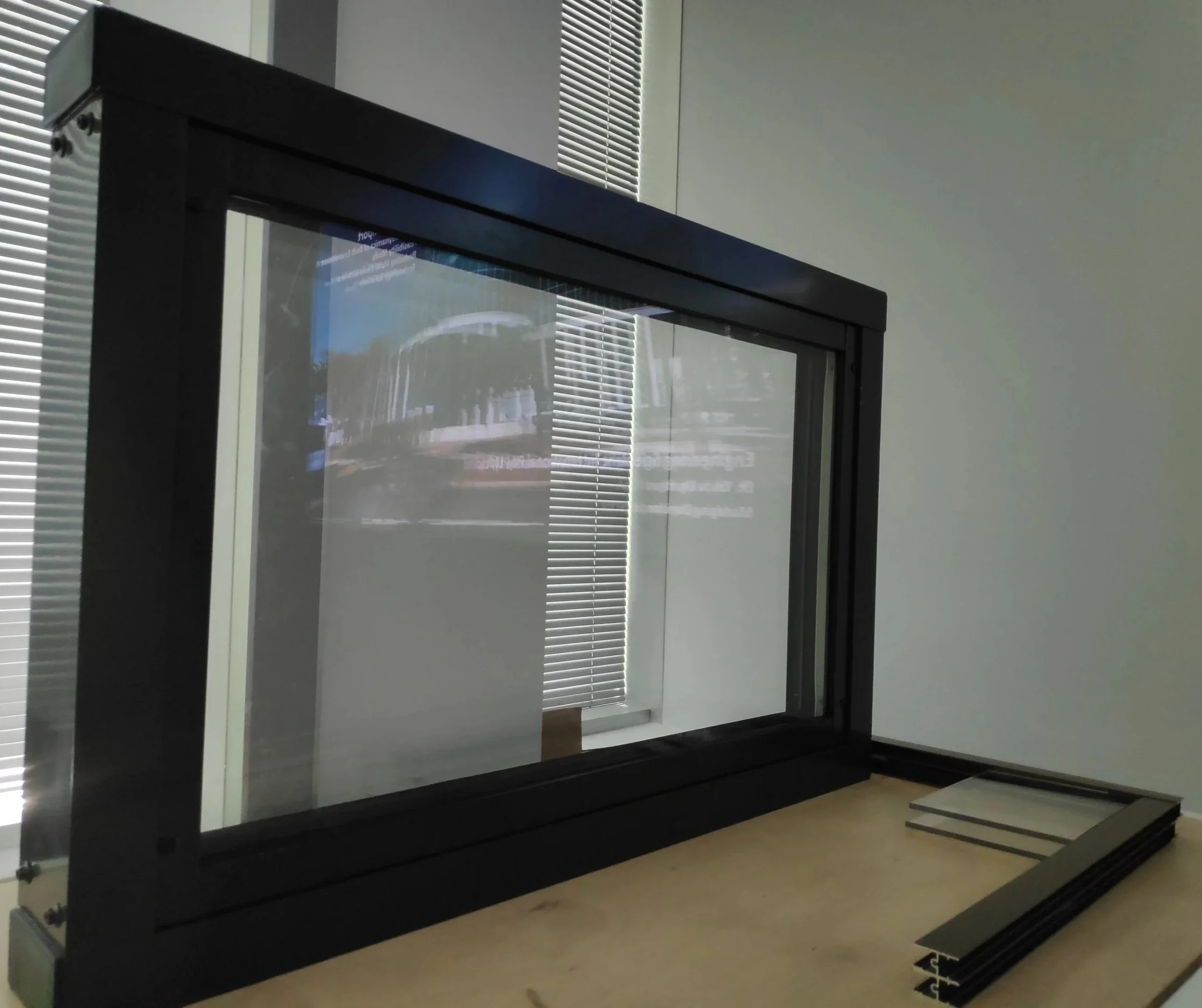
Windows account for the primary energy loss or gain in buildings: as much as 60% of commercial heating energy loss in winter and up to 87% of heat gain in summer—numbers that make you stop and think in light of climate change and rising energy costs. While new standards apply to new developments, replacing windows in existing buildings is challenging, costly, disruptive for tenants, and generates significant waste. ESI’s solution to improve these buildings seems simple but effective: an insert with two spaced panes installed on the inside of the existing window frames. The installation takes only minutes and requires no demolition or tenant disruption.
But how effective is it actually? - This was the key question ESI answered through the FB IDEAs project - conducting a thermodynamic study on a building in Fishermans Bend to establish the status quo by testing several innovative simulation systems for building envelopes. Based on the building’s current thermodynamic characteristics, the team then simulated the impact of installing the solution and calculated the potential savings.
In the public presentation, Dr. Yakov Elgart not only shared his results but also addressed relevant questions from the knowledgeable audience. The first question from the audience was spot-on: What about the thermal break between the aluminium frames? The expert explained that velcro or foam spacers are added to serve as a thermal break. When asked about the weight and fire characteristics of the material, he noted that both had been carefully considered: lightweight materials are used, and because the insert is applied on the inside, its fire risk is comparable to that of standard furniture. Off-gassing was another concern - yet with a 30-year guarantee, dimensional stability, and no off-gassing up to 100°C, the material is considered safe.
Beyond the thermal study, the team also developed different frame designs, production and installation drawings, and CAD models - everything needed for deployment. And, as the expert assured the audience, no installation takes place without consultation from a window structural engineer.
Besides improved thermal comfort for tenants, the investment offers significant energy savings and the opportunity to downsize chillers, creating further cost reductions. Heating requirements can also be reduced. Taking all benefits together, Dr. Yakov Elgart presented a compelling return on investment and a short payback period. It is a technology that has been around for some time, but with growing awareness of buildings’ energy consumption, it appears that now is the right moment for its broader adoption.
FB IDEAs is proud to have supported ESI in conducting this study and in initiating the collaboration with Urban Logistics Co. We extend our thanks to Urban Logistics Co. and all project partners - Area53 and CBRE - for their valuable cooperation and commitment throughout the project.
Get Involved
We have a regular program of events and networking opportunities at the FB IDEAs Hub, and throughout Fishermans Bend. Subscribe to our monthly eNews to get updates!
You might also like to join the FB IDEAs Hub community. Located within walking distance of the future Fishermans Bend Innovation Precinct, the Hub is more than just a co-working space — it’s a community where the future is being actively built.
We offer free* co-working space (* subject to T&Cs) and the chance to be part of a growing start-up ecosystem working across cleantech, aerospace, renewables, regenerative architecture, placemaking, product design, circular economy, business consulting and much more.
Applications now open!
