From Lab to Factory - highlighting the ecosystems that enable innovation commercialisation
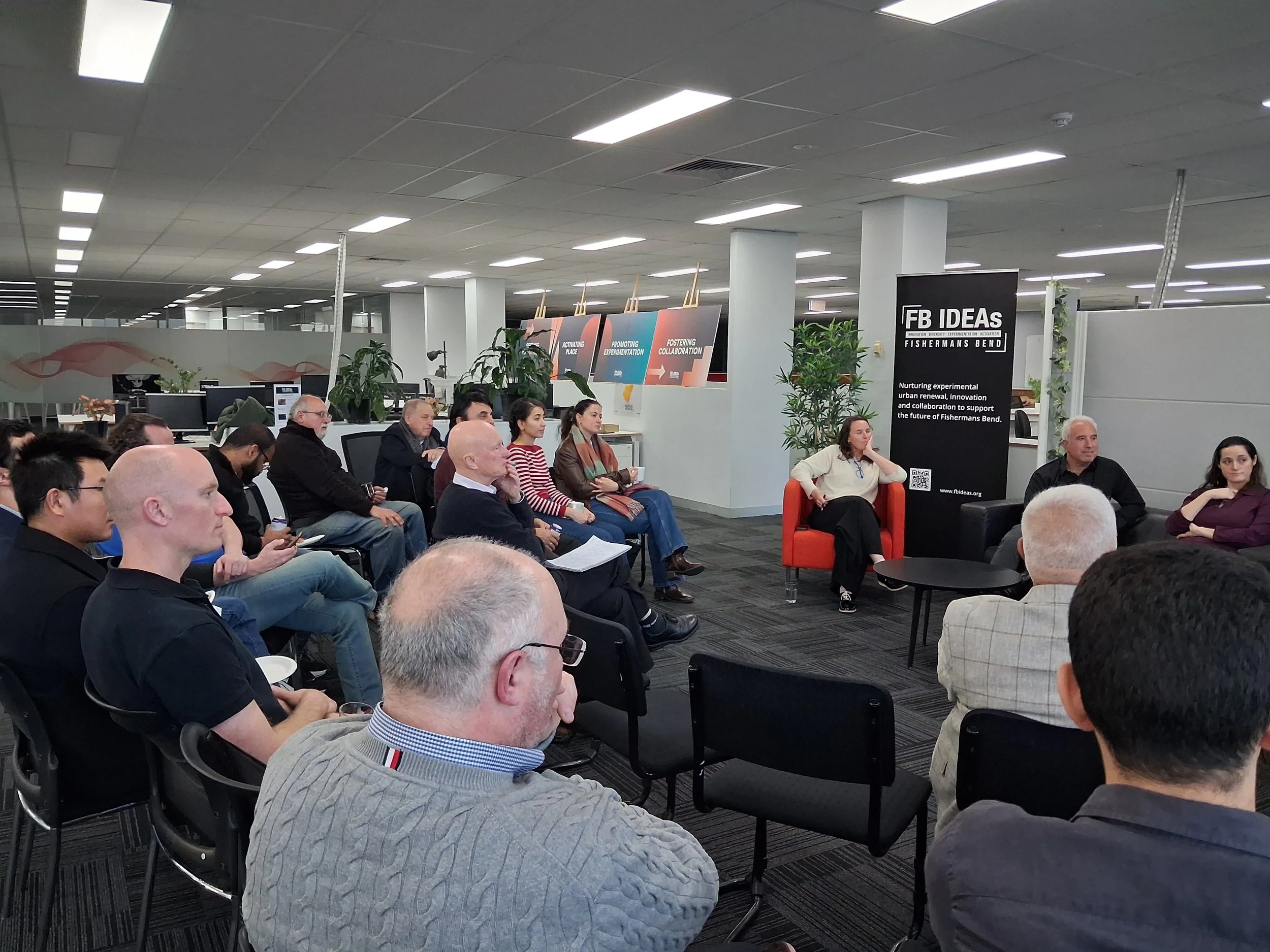
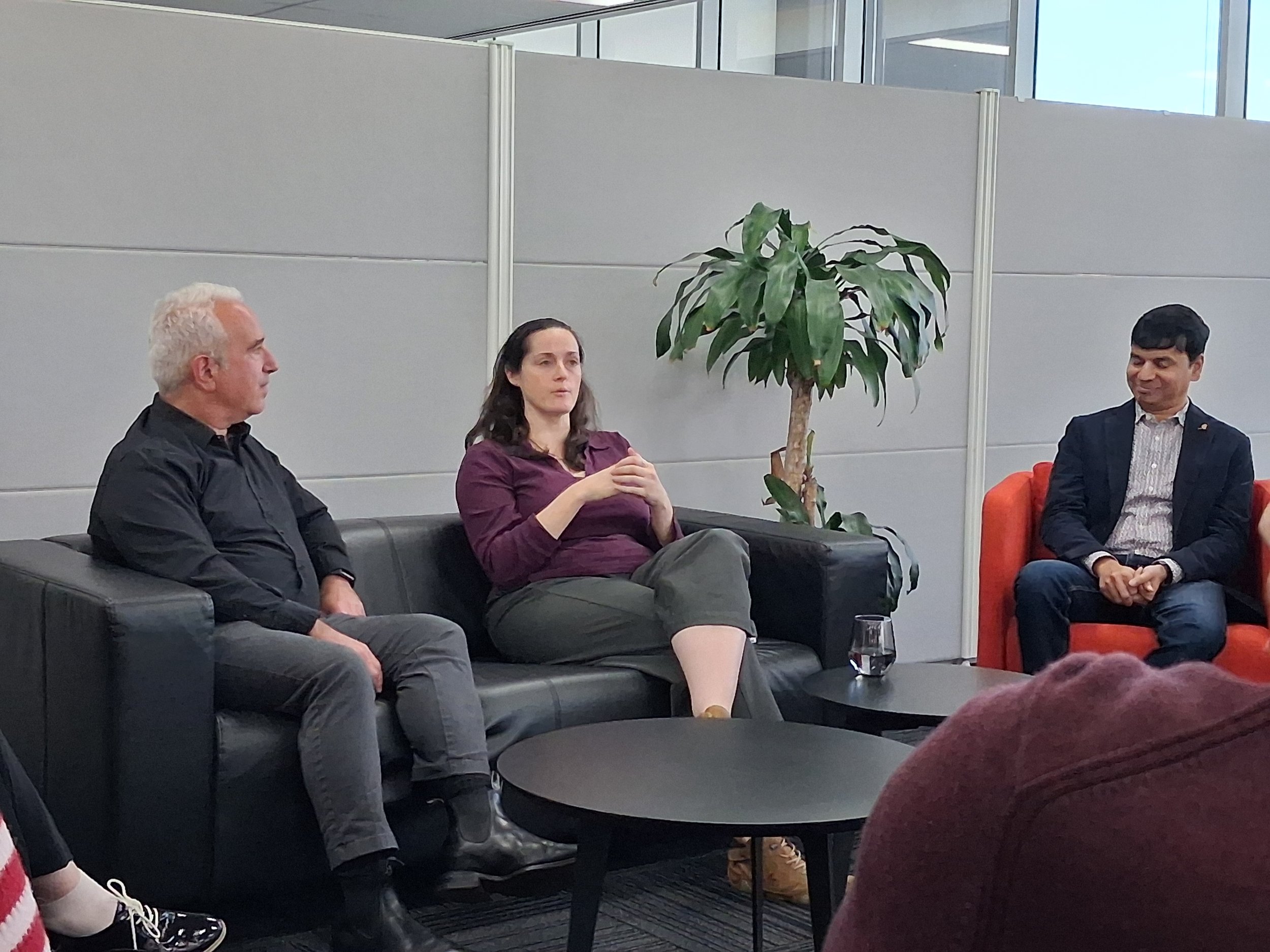
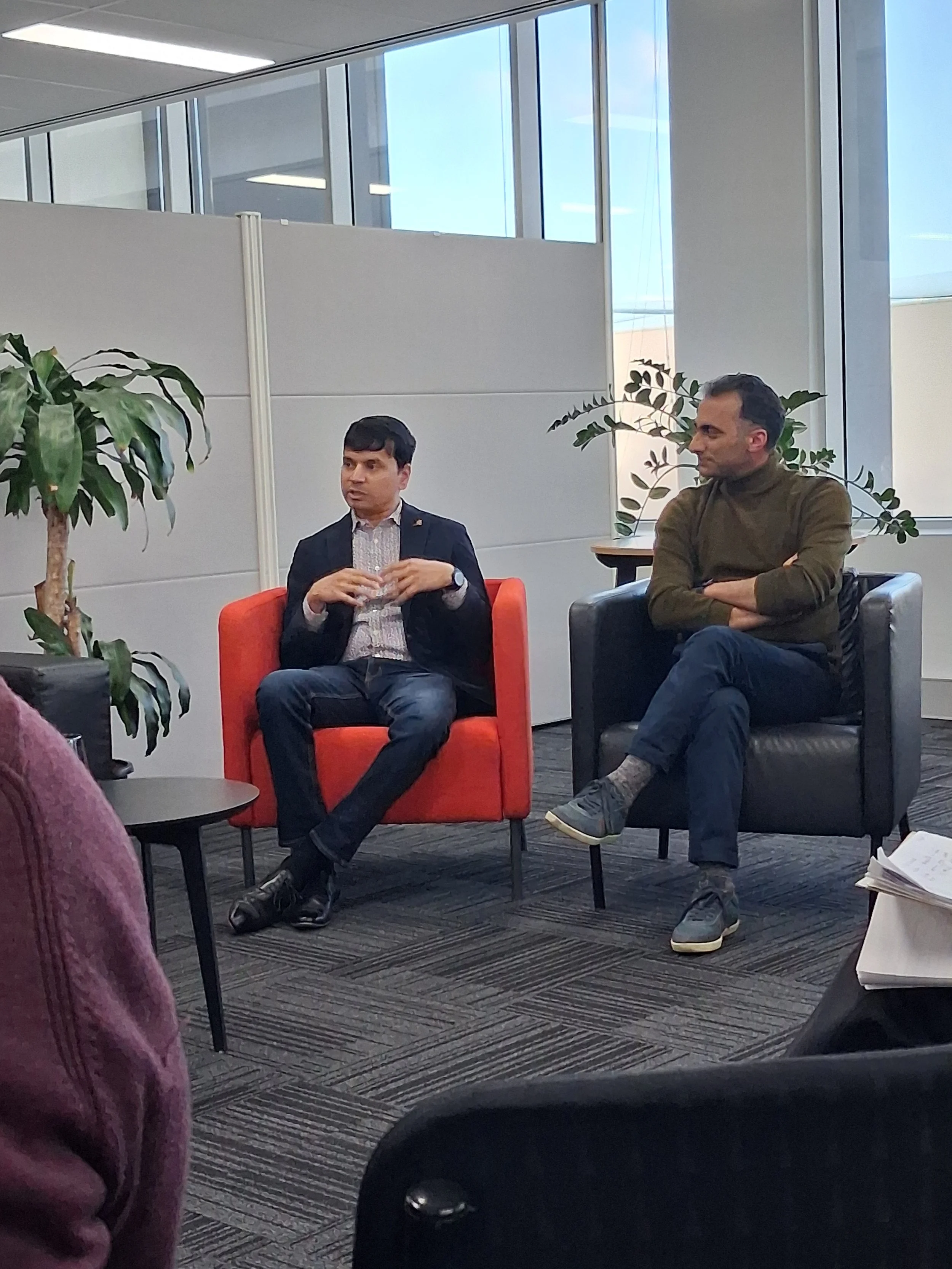
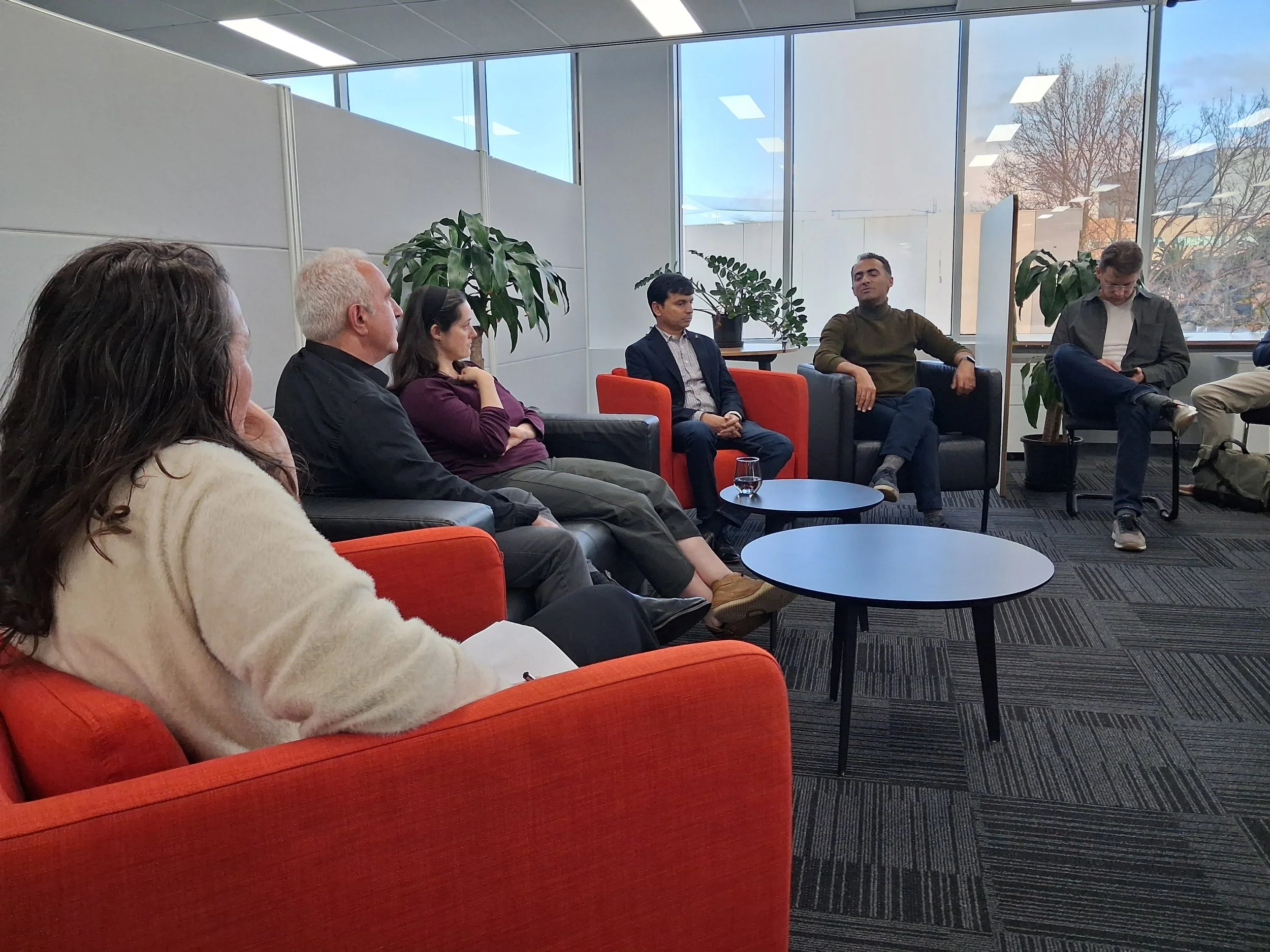
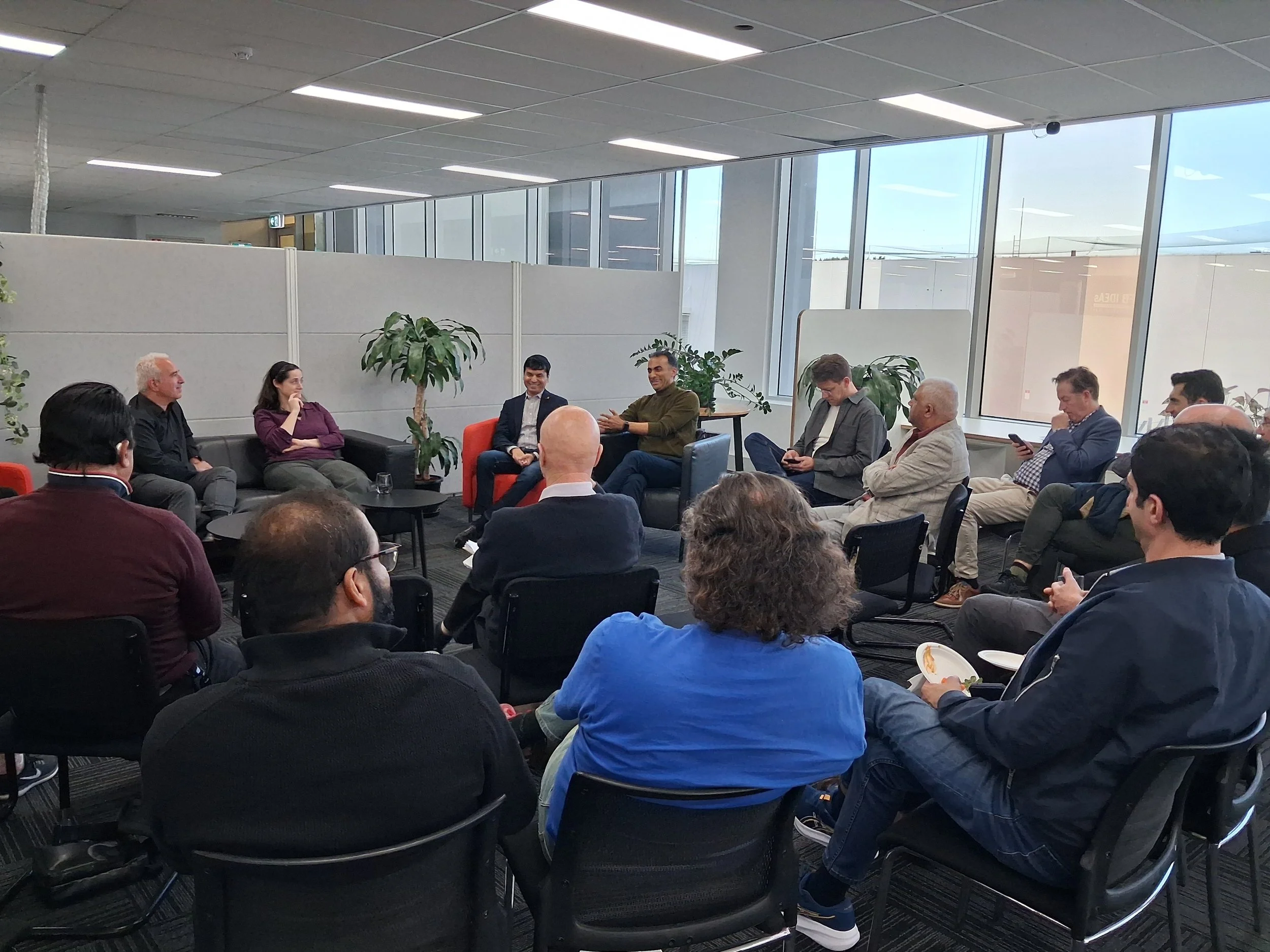
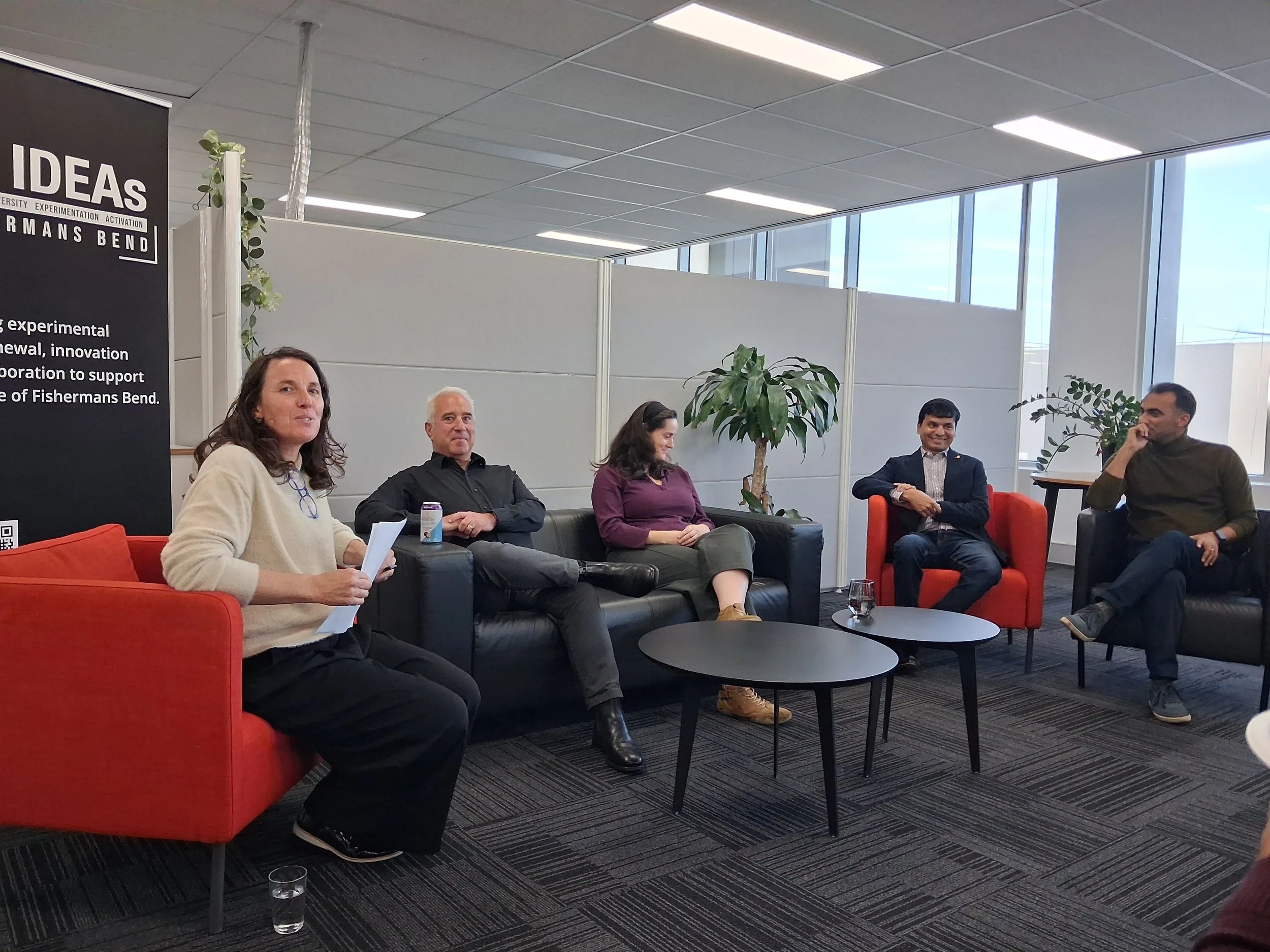
The recent panel discussion hosted at the FB IDEAs Hub, ‘From Lab to Factory’, explored the capabilities, partnerships and pathways that support the journey from research to product and from prototype to factory. We were joined by Oded VanHam from the Australian National Fabrication Facility (ANFF), Amir Hooshang Taher, CEO and Co-founder of Voltavate, Ashlie Hartigan from Area 53, and Professor Sharath Sriram from RMIT University and Chief Scientist of Western Australia.
The discussion kicked off with a comparison: PhDs are investigating reseach questions where there are no answers yet – just as startup founders are working on innovative business solutions that don’t yet exist. But taking a technology from a thesis to market brings challenges, both on the business side and on the personal development side.
The value of ecosystems
Amir Hooshang Taher, CEO and Co-founder of battery technology startup Voltavate, shared his experience of making this transition. After moving from Singapore to Australia, one of the most important steps was becoming part of an ecosystem straight away. Connecting with fellow founders, rather than trying to solve the same challenges all over again. For Amir, setting up Voltavate's pilot plant in a purpose-built, turnkey facility also meant the legwork had been done by a partner who understood their pressure points, allowing the team to focus on research and raising funds.
Compared to Singapore, Amir described Australia's innovation landscape as more distributed and less accessible. At the same time, he highlighted the depth of expertise available and the importance of engaging with the ecosystem to find it.
Access to facilities
Early-stage startups cannot and should not have to spend millions on specialised equipment simply to test whether a process will work. Shared facilities provide an opportunity to test, learn and fail quickly before making major investments.
Professor Sharath Sriram from RMIT University highlighted a gap between research facilities and the capabilities needed to progress towards manufacturing. RMIT's newly opened Discovery to Device facility is designed to help fill this gap, allowing to test and validate processes, prototype and progress towards scale while retaining IP onshore.
Oded VanHam from the Australian National Fabrication Facility (ANFF) reinforced that access to specialised infrastructure is about more than equipment. ANFF provides advanced fabrication equipment and the technical expertise and training to use it, with a focus on early-stage research and an IP-neutral approach. The principle behind the offer is to democratise access to equipment that usually only multi-million dollar businesses own.
Ashlie Hartigan from Area53 added another part of this pathway, as a partner for those looking to prepare to scale. With properties dedicated to life sciences across Australia, Area 53 provides flexible laboratory environments, from shared bench to a dedicated facility, allowing businesses to access the space they need as they grow and establish their own assets.
Connecting the capabilities
A main question throughout the discussion was how well Australia's available resources and capabilities are connected.
For Ashlie Hartigan from Area 53, gaps are sometimes less about the availability of infrastructure and more about awareness, understanding the pathway to market and being able to showcase innovative technology.
Professor Sriram described the policy landscape as poorly connected, both across states and the federal level. The challenge is not necessarily a lack of information and available resources, but the sheer amount of information and programs available.
ANFF provides one example of a more connected approach. Businesses can approach the organisation with a problem and ask whether someone can help solve it. Engaging with its network, they can then help identify where the relevant capability is available.
The Industry Capability Network (ICN) was highlighted as a useful resource for identifying manufacturing and service capabilities, whether in the field of high-tech or to solve day to day manufacturing and supply chain challenges.
For Fishermans Bend, the discussion reinforced the potential of a precinct approach to connect infrastructure, research, industry and businesses and support longer-term ecosystem development.
Australia's opportunity
For an innovation economy, Australia has a strong talent pool, state-of-the-art infrastructure and access to capital, alongside a stable regulatory environment. At the same time, challenges remain around risk appetite, early-stage capital and the commercial capabilities needed to help startups move beyond the seed stage. While the capabilities and resources are there, innovators need to know where to find them and feel confident asking for help. For those looking to move from lab to factory, the first step may be to get connected with an ecosystem, ask questions and engage.
The session was followed by networking and a tour of Area 53's newly opened laboratory facilities next door.
