Closing the Loop - connecting Victoria’s circular economy
Last week in the FB IDEAs Hub, a joint event with Boomerang Labs, the Victorian Cleantech Cluster and the City of Melbourne sparked lively conversations about how we can grow the circular economy, support new ideas and innovation, and keep more value and resources circulating locally.
Future of circular economy
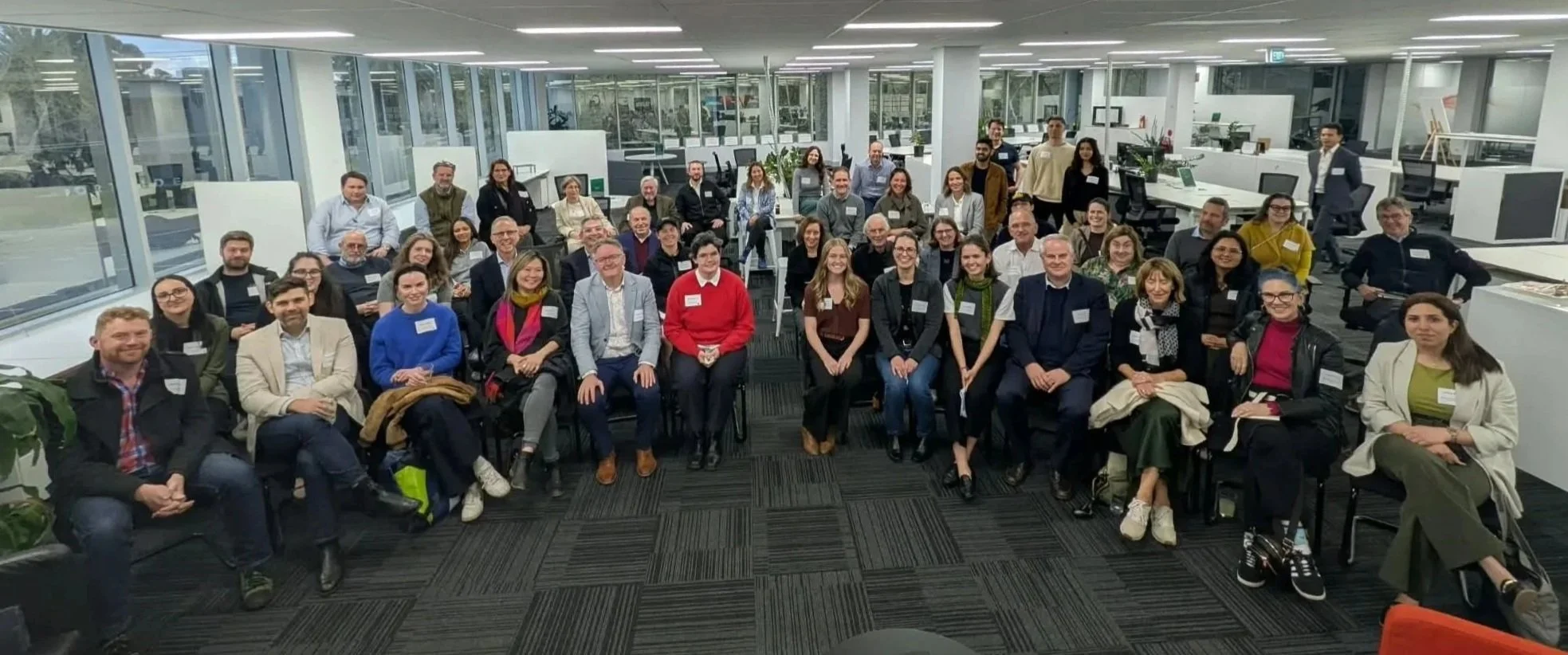
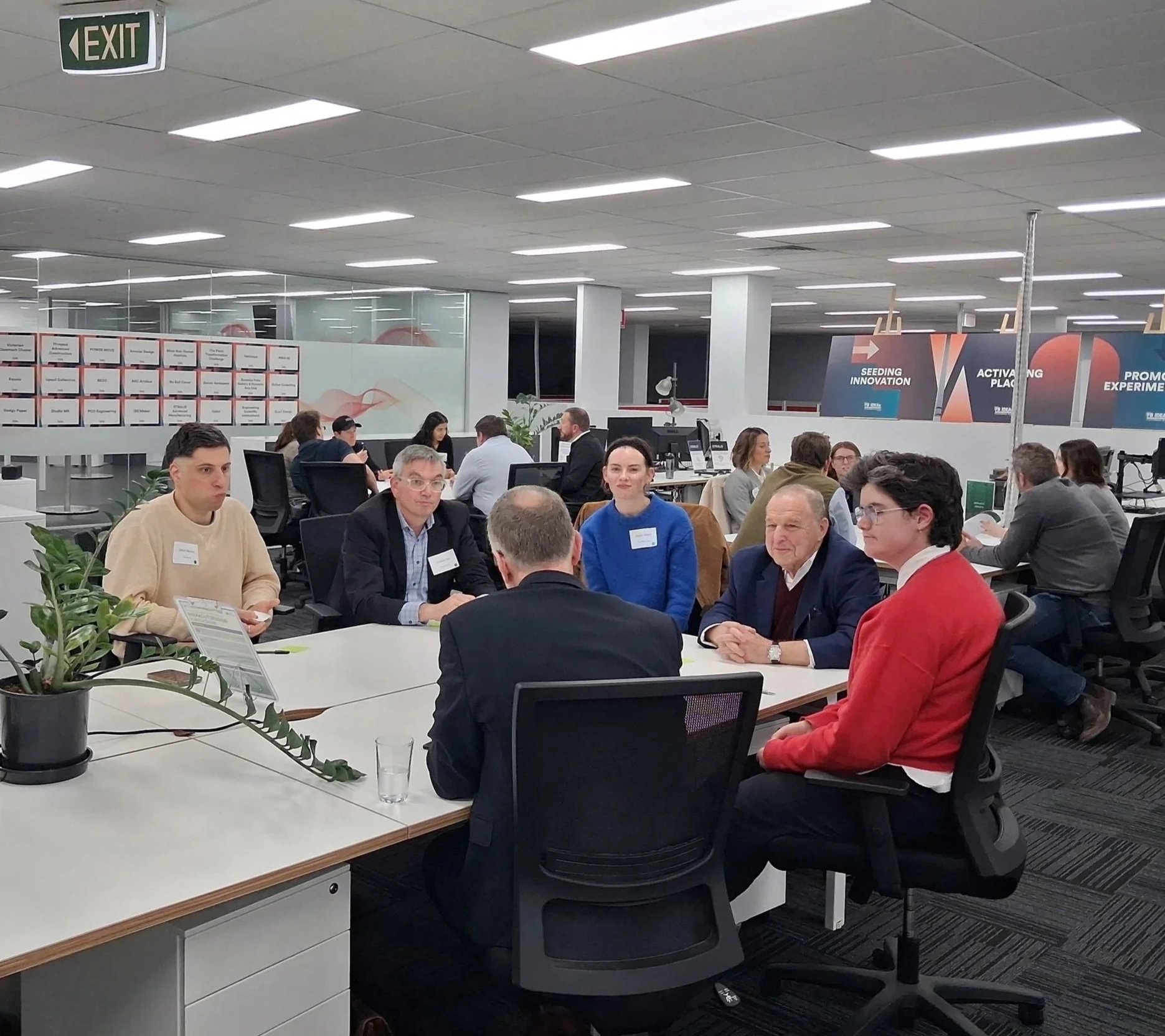
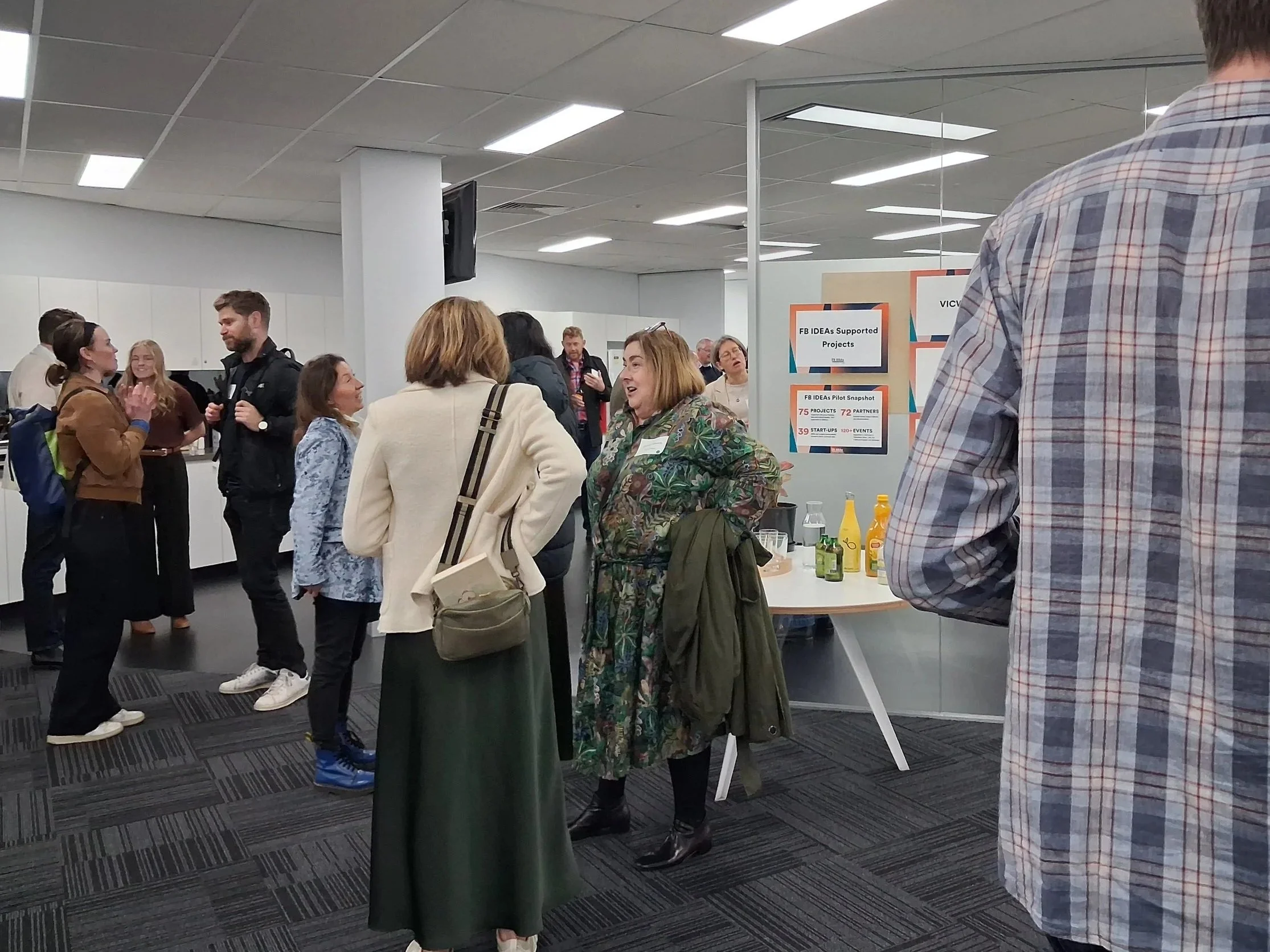
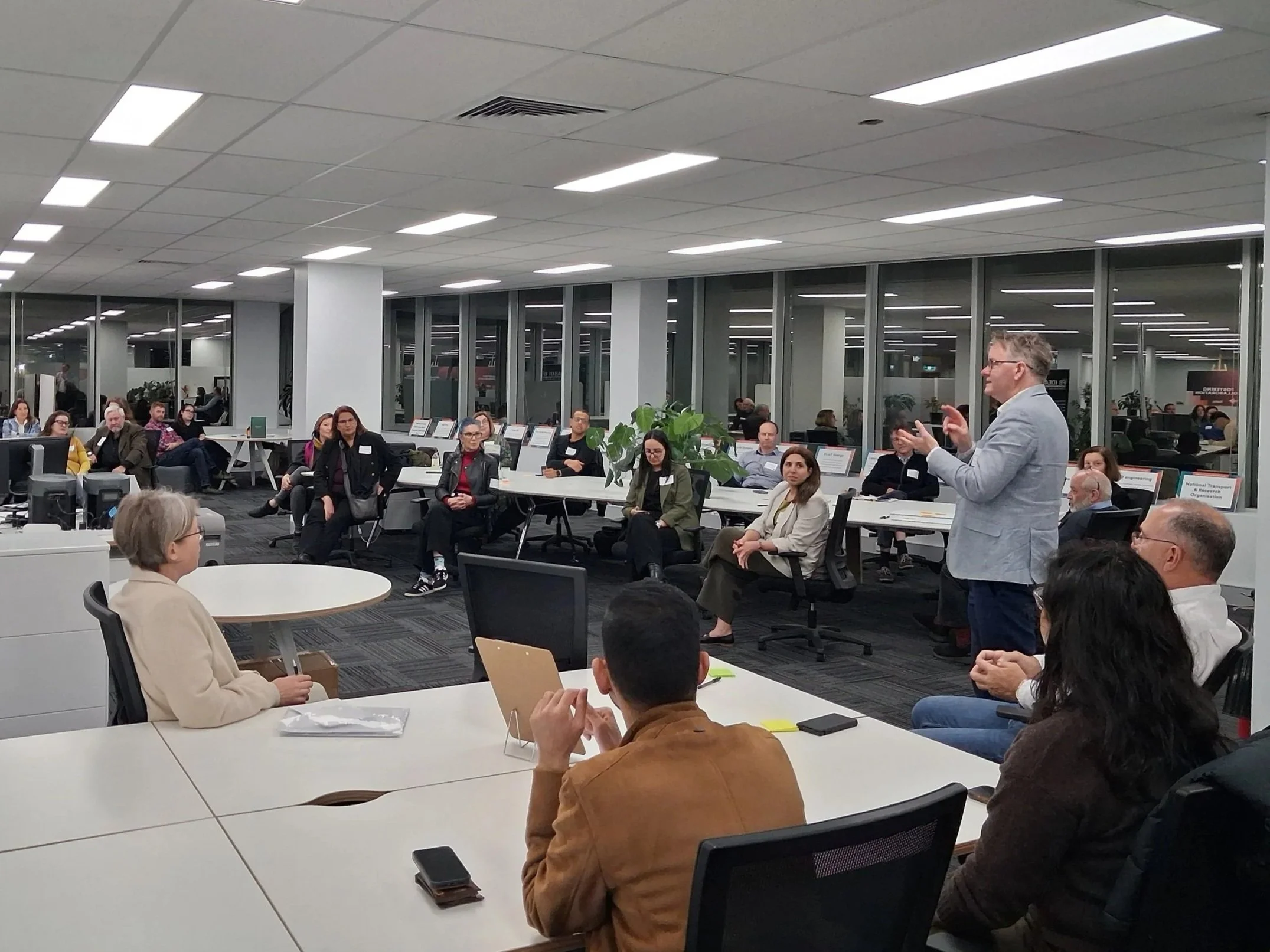
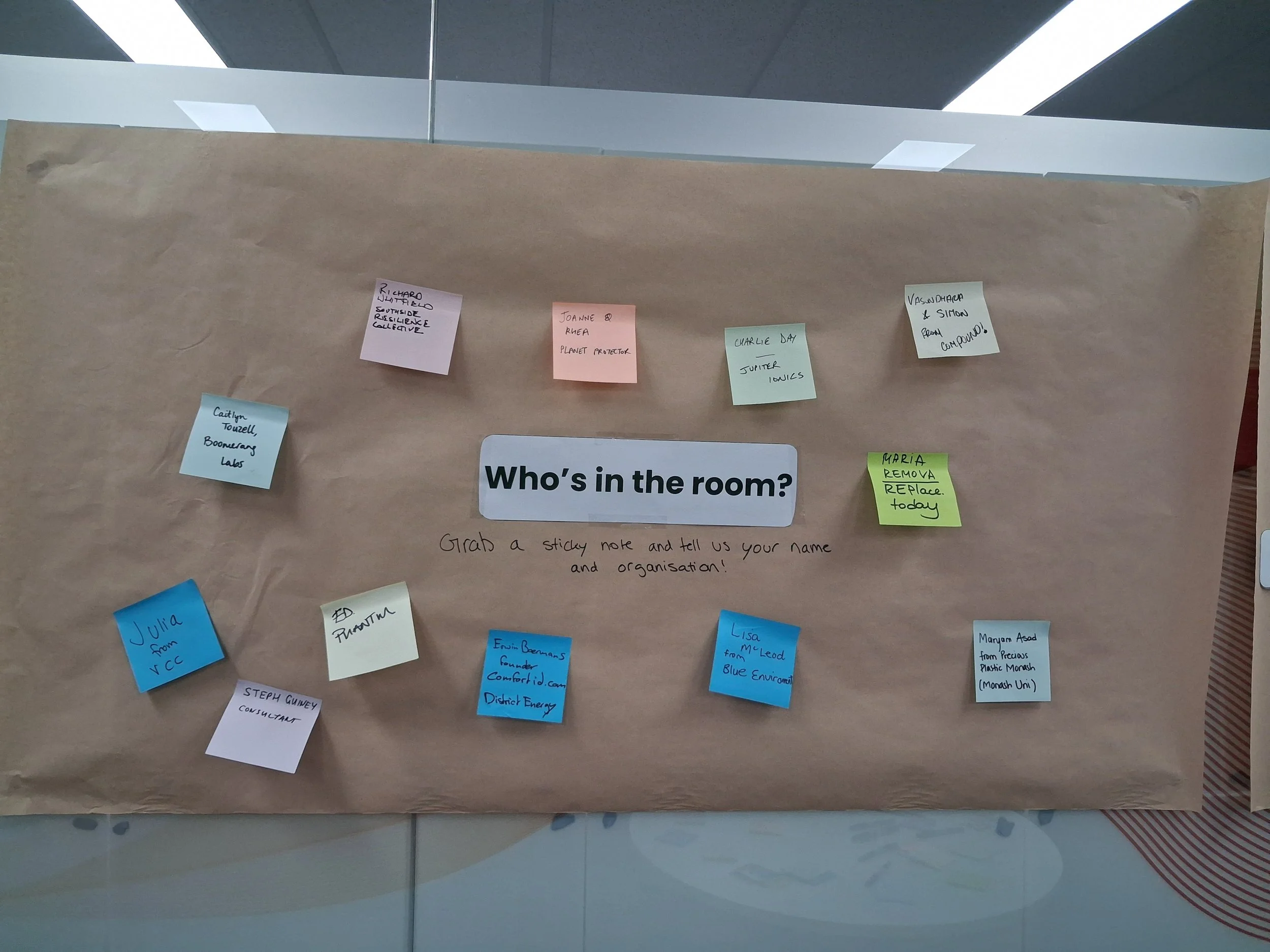
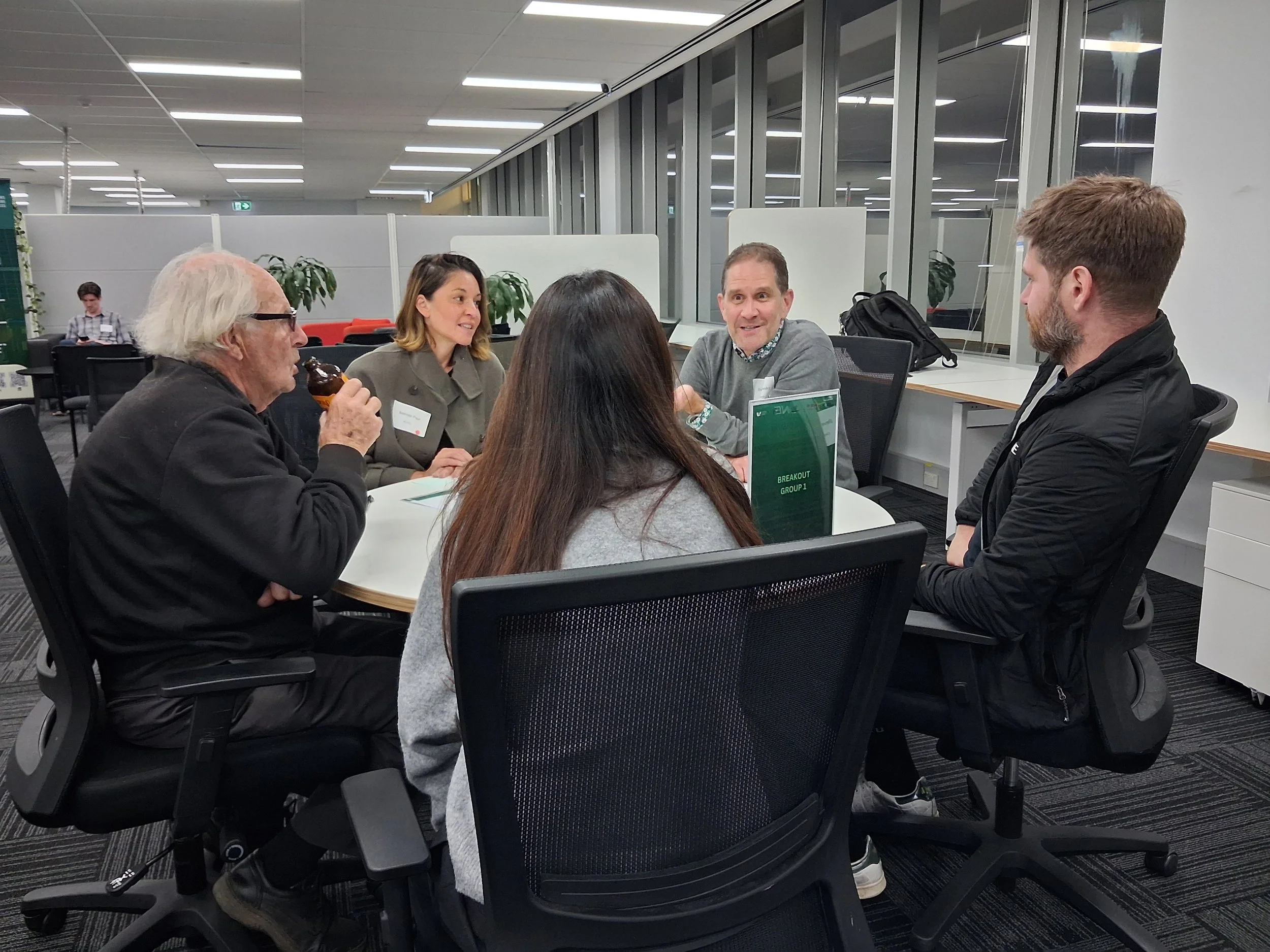
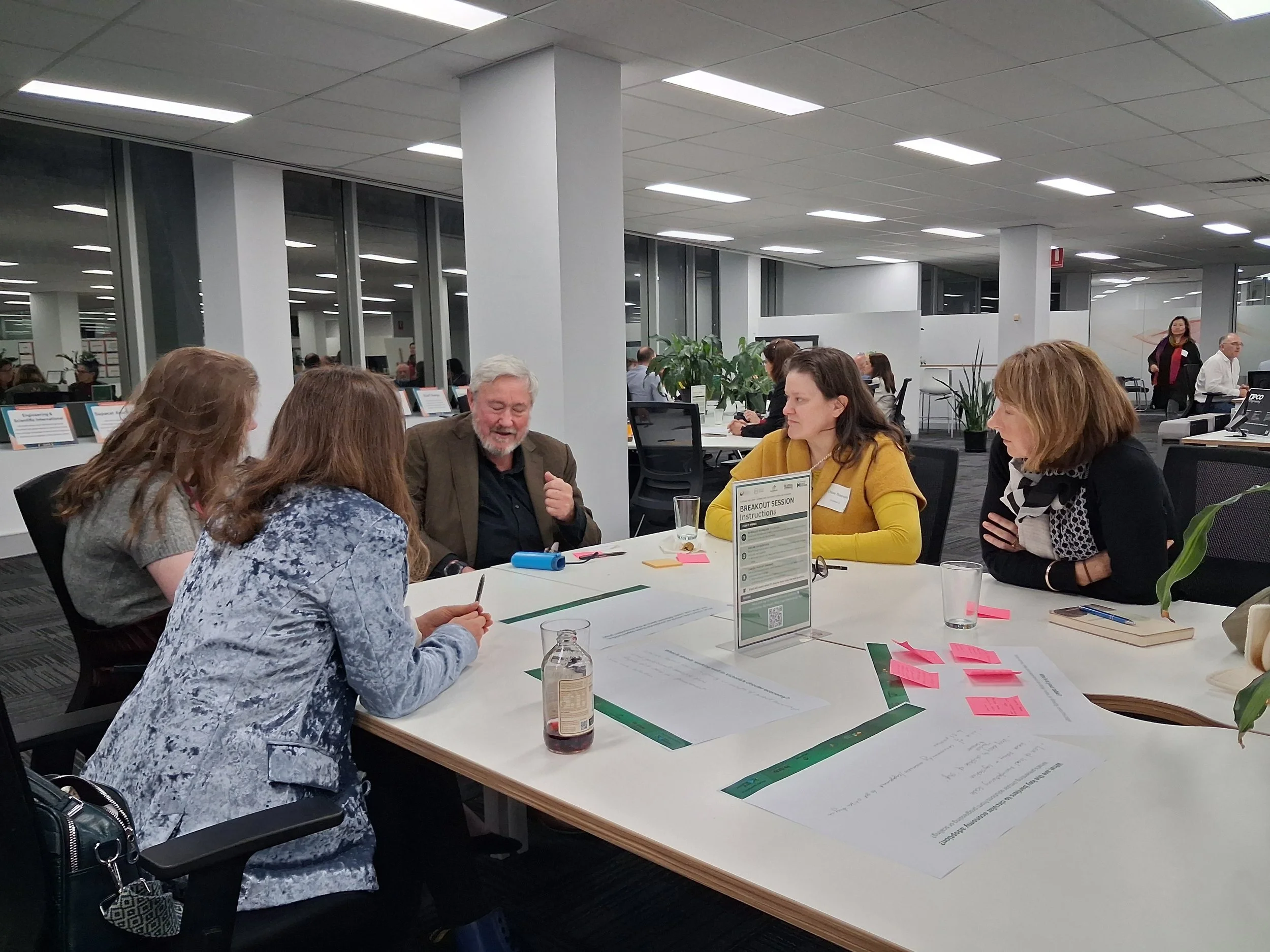
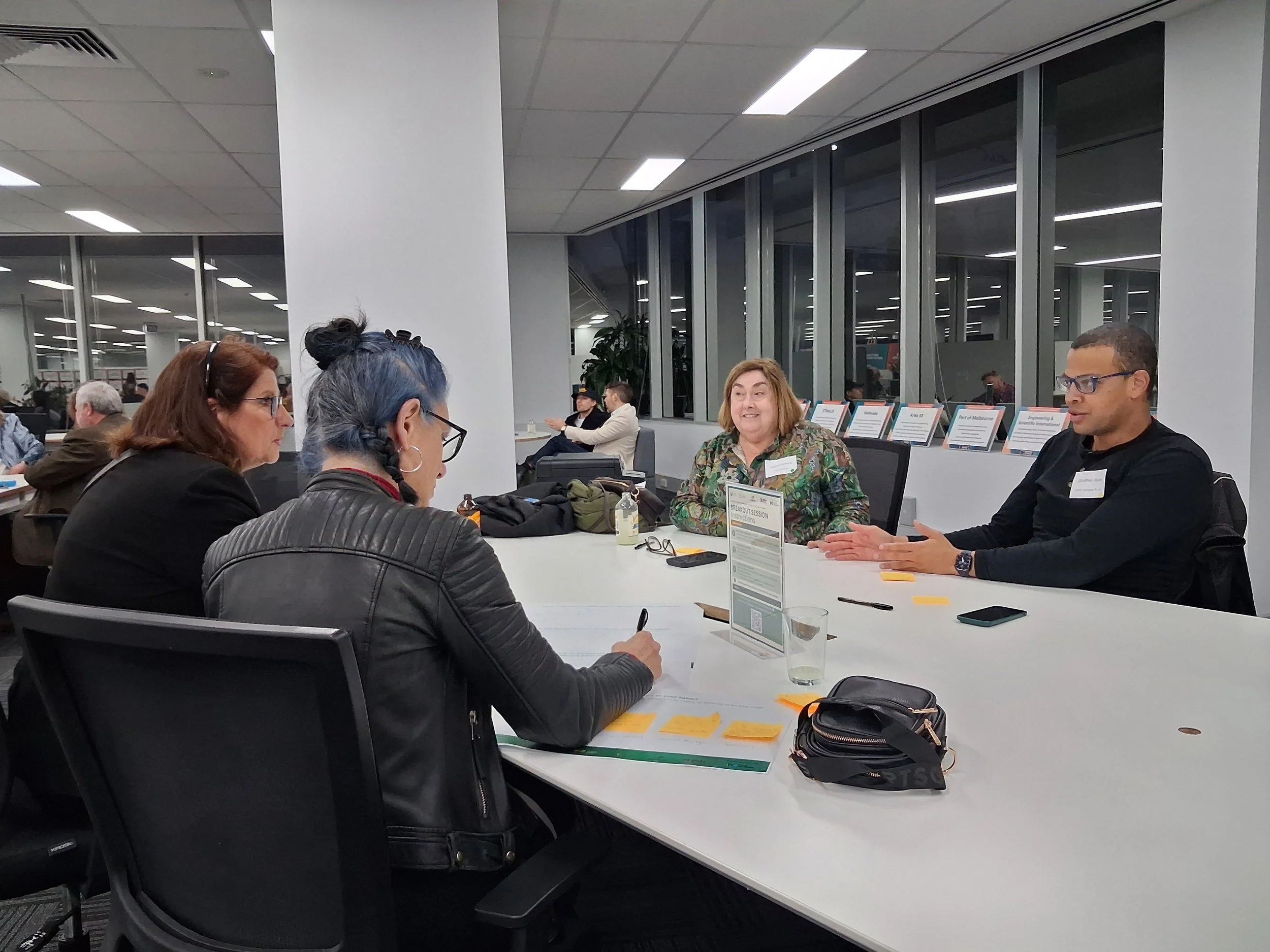
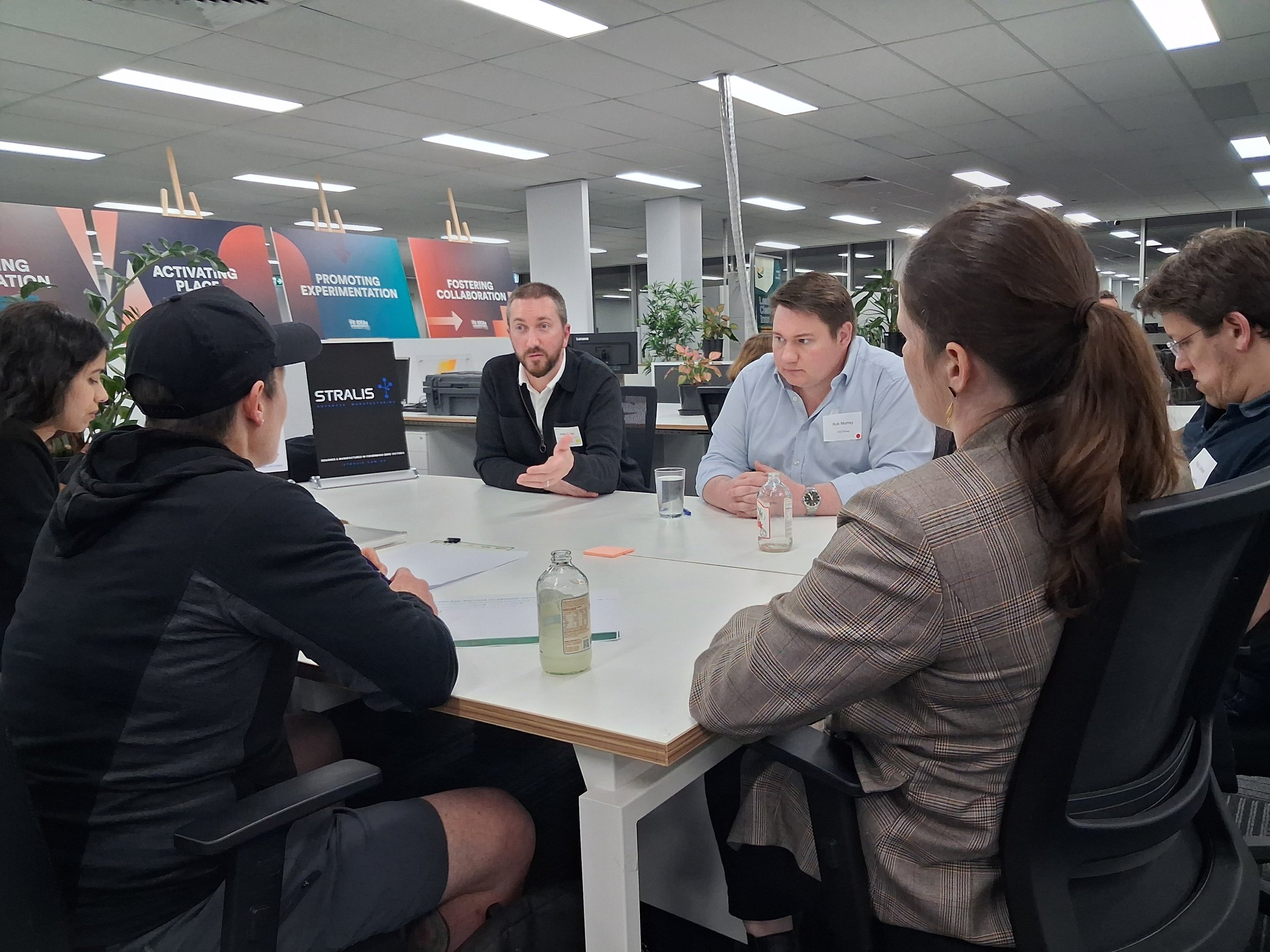
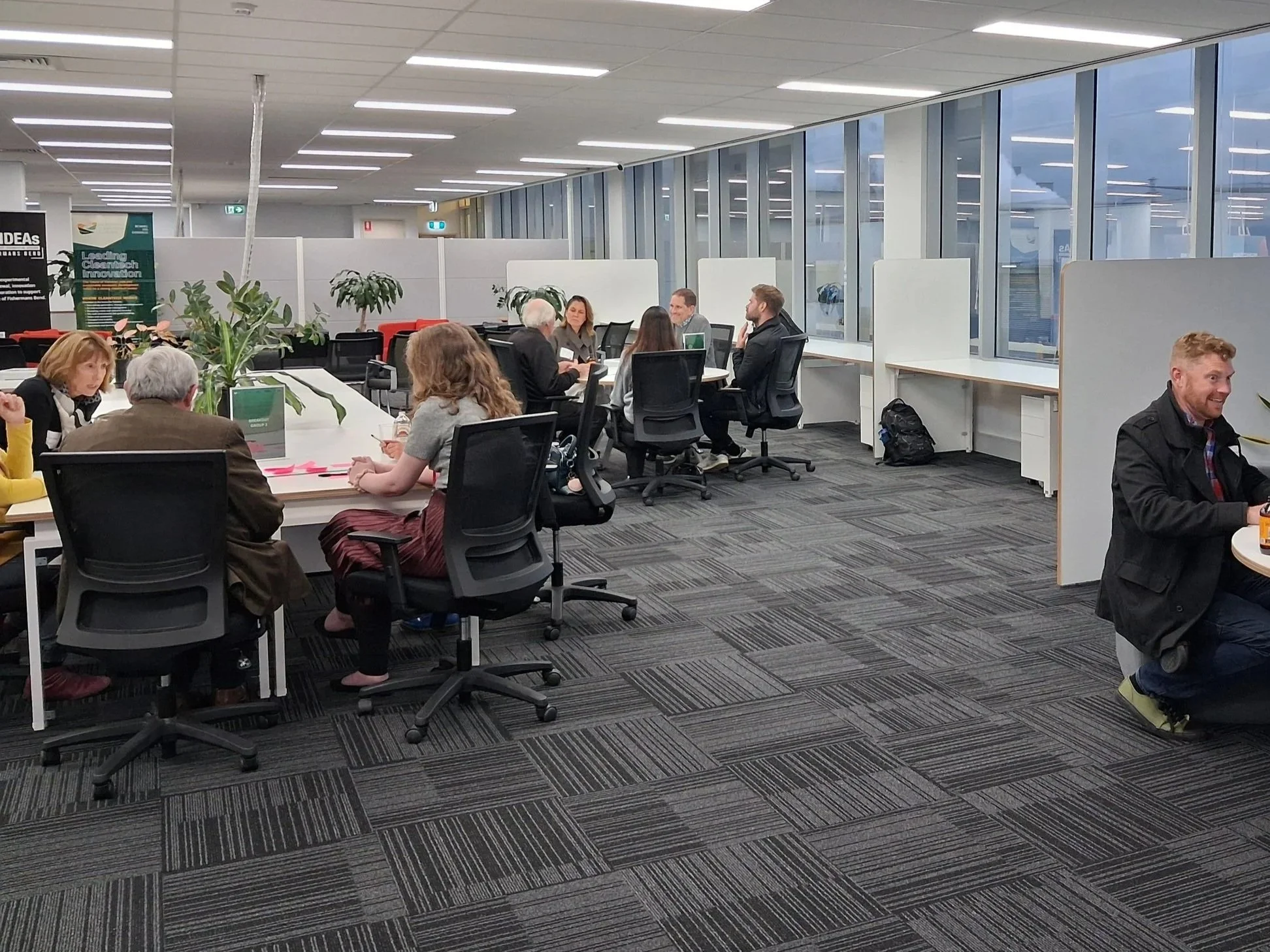
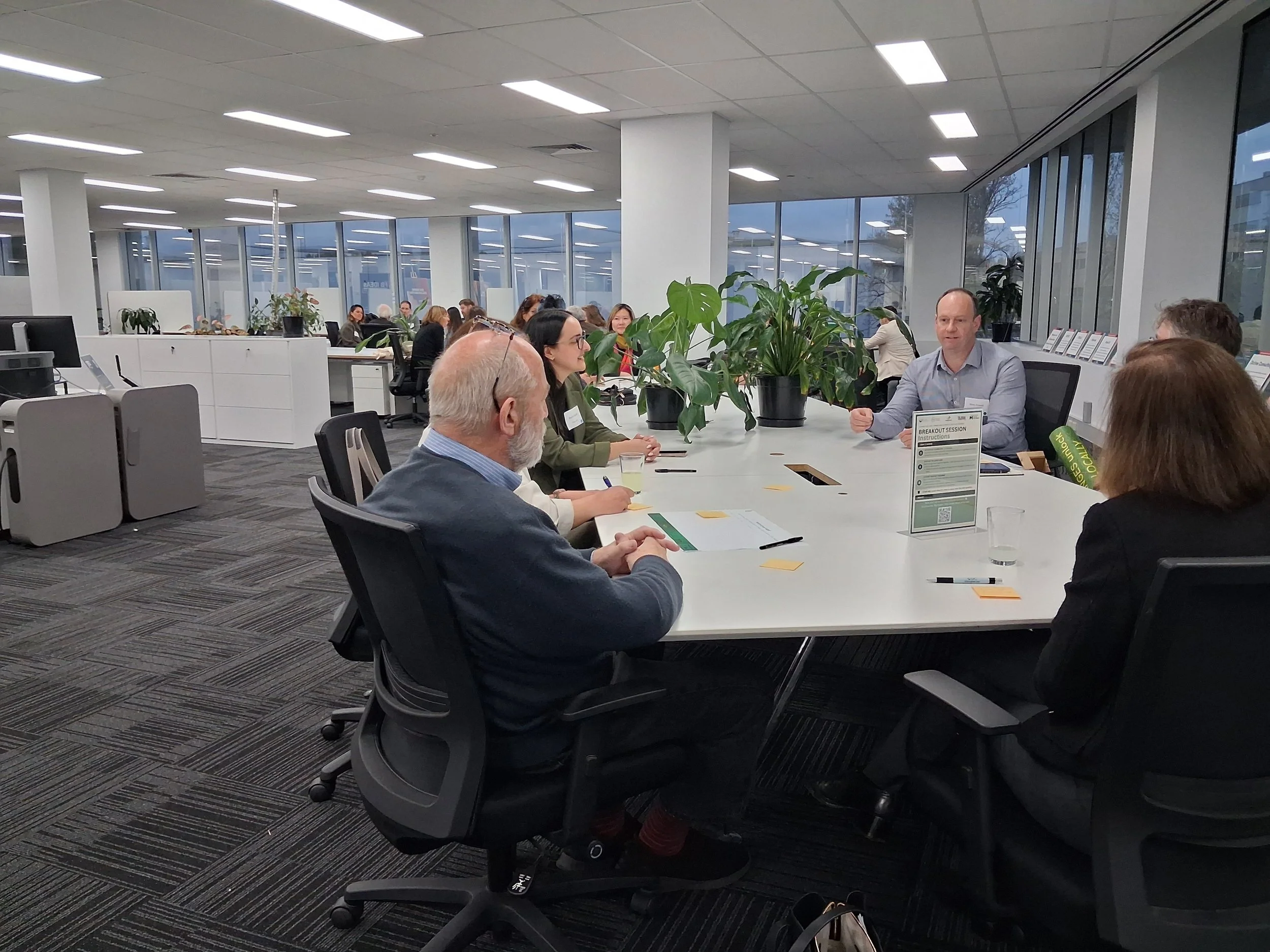
Last week, the FB IDEAs Hub filled with enablers of the circular transition, with participants from startups, universities, industry, community and ecosystem organisations, as well as government. Hosted by Boomerang Labs and the Victorian Cleantech Cluster, supported by FB IDEAs and sponsored by the City of Melbourne, the event brought the community together for an exploratory workshop and ecosystem mixer.
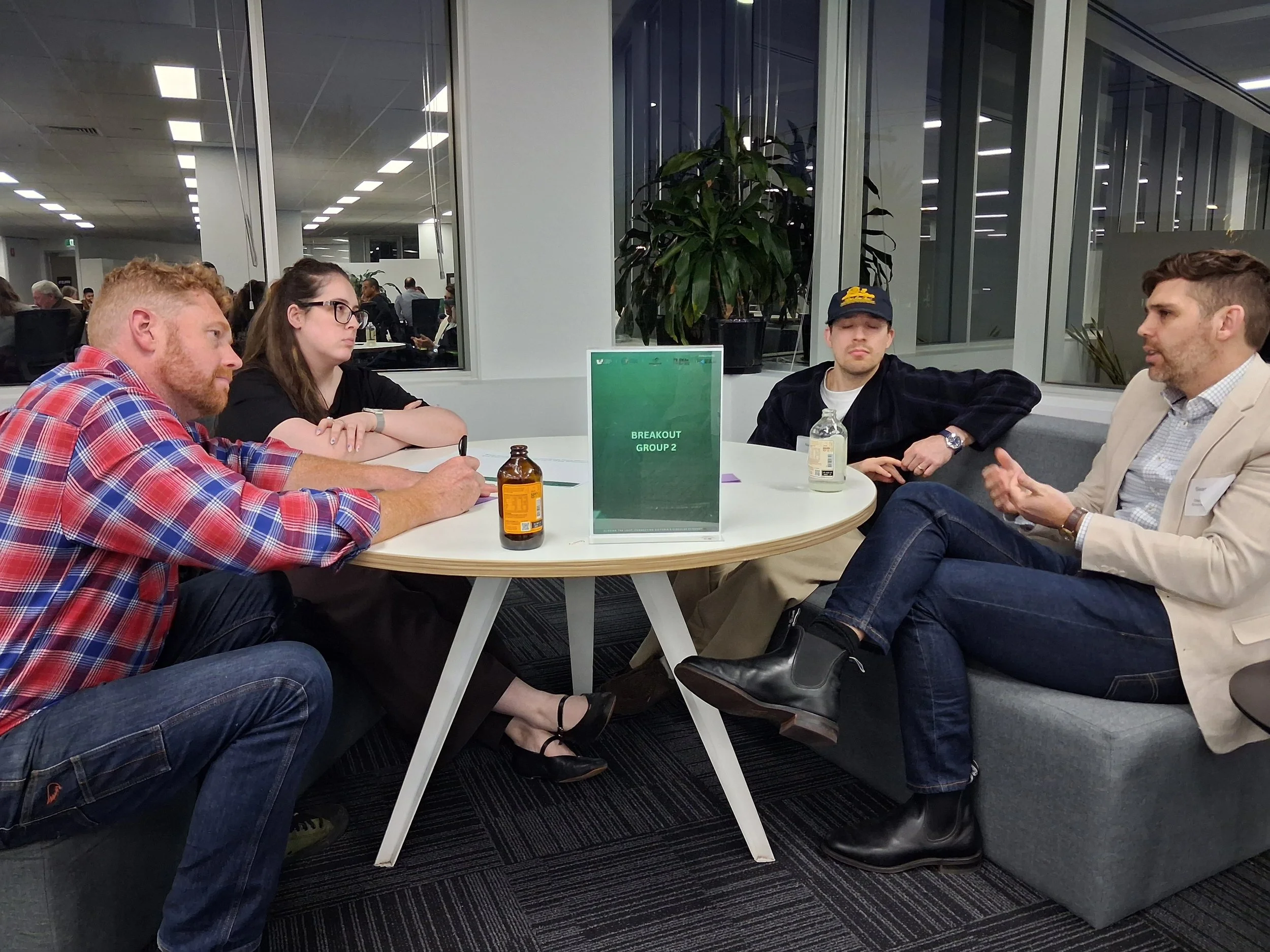
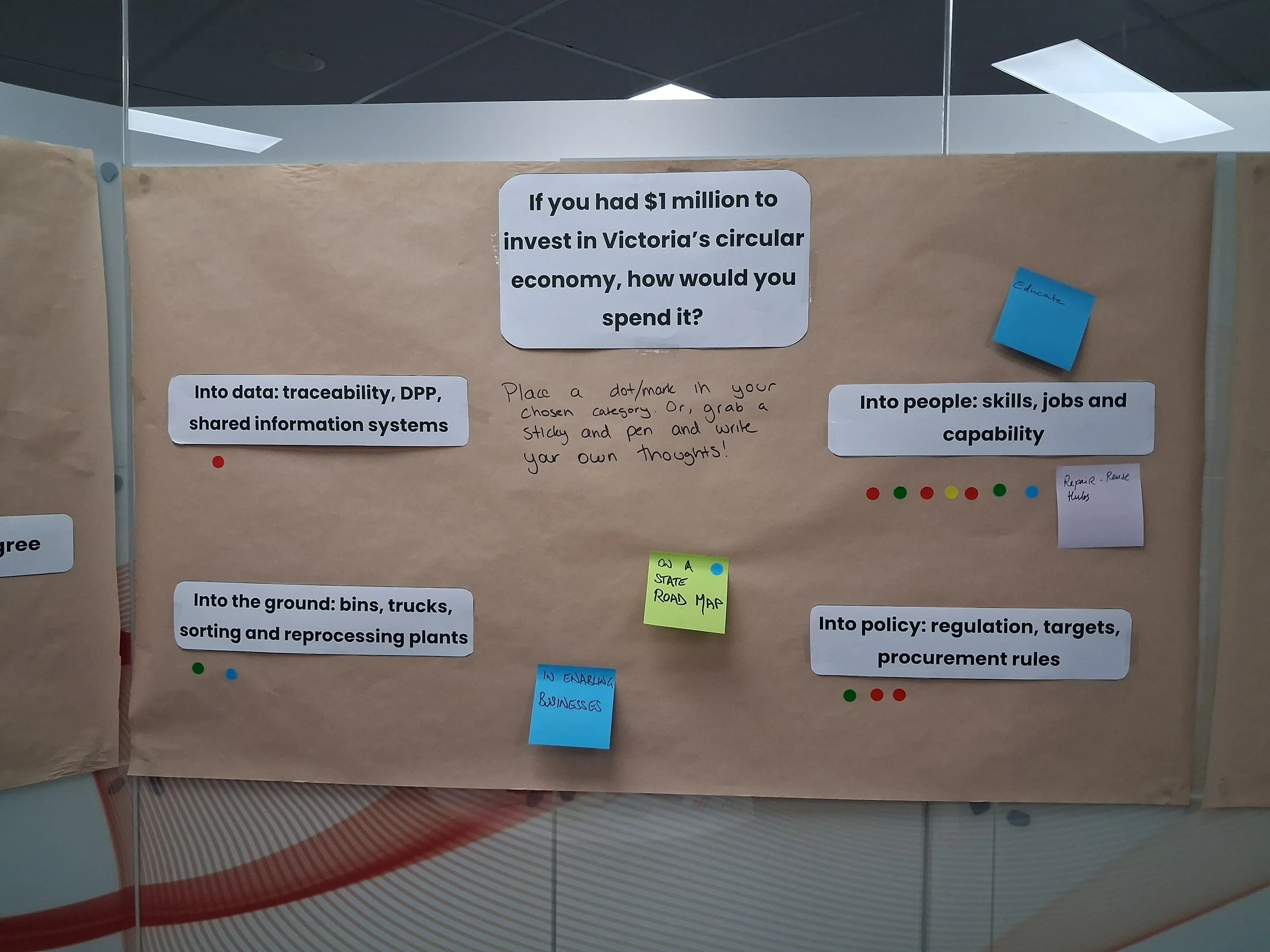
On the table were questions about how to accelerate the circular transition, and what is needed to give the Victorian economy the push to embrace circular solutions – and the economic and environmental benefits that come with them. Insights were gained into how people want to engage in the future, what they see as priorities for investments, where things work well already and what currently holds circular initiatives back. The workshop came at an important time. Participants felt that changes in the current organisational landscape had left a gap that needs filling. The discussion and survey responses will help inform the City of Melbourne as it develops its next circular economy plan.
De-risking circular solutions
A clear message resonated throughout the evening: there is no lack of creativity and innovation, or of proven circular products, processes and concepts. The challenge lies elsewhere – creating an economic environment that embeds circular solutions naturally into supply chains. On the policy side, this means creating a competitive advantage for circular solutions against cheaper alternatives and providing the regulatory stability needed for long-term investment. Businesses after all need a reason to change established procurement practices and adapt their processes.
Without the required pull, circular solutions are hard to scale. Even where investment in infrastructure has already been made, weak customer demand can leave capacity underused and profitability behind once initial funding runs out. This was seen as a challenge across sectors and materials, from construction and fitouts to textiles and plastics.
Community drivers
Policy and business are only part of the picture. The discussion also turned to the role of communities and how lifestyle changes can be made easier and more accessible. Taking responsibility should be as easy as possible. Support for community centres, repair hubs and collaborative networks can help make circular practices part of everyday life, while also creating opportunities for people to participate locally.
The session brought people and organisations across different parts of the circular economy into the same room and created the opportunity for meaningful conversations - leading to new connections and a clearer sense of what it will take to move Victoria’s circular economy forward.
