The power of partnership: Port of Melbourne’s support provides home for diverse projects
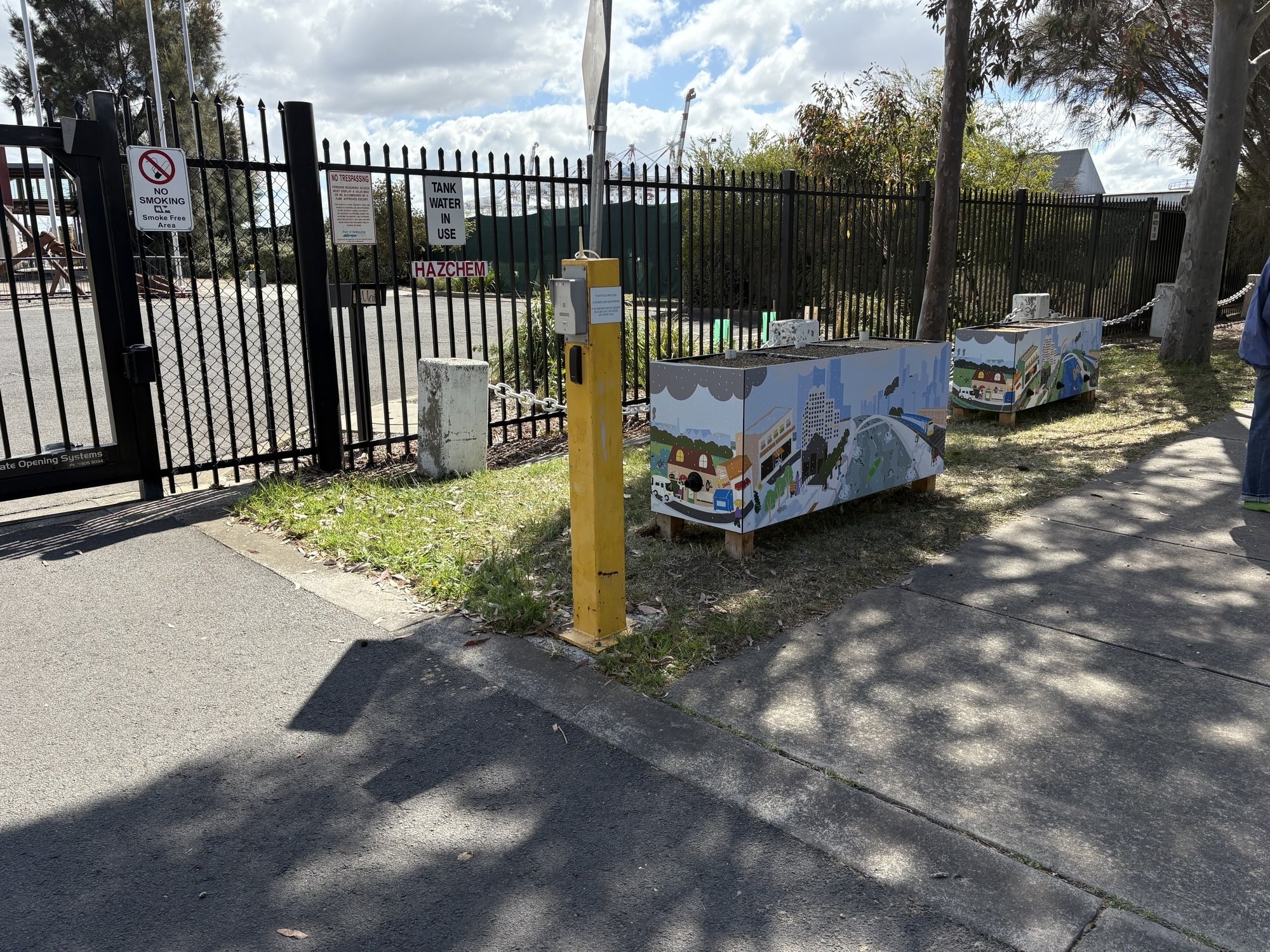

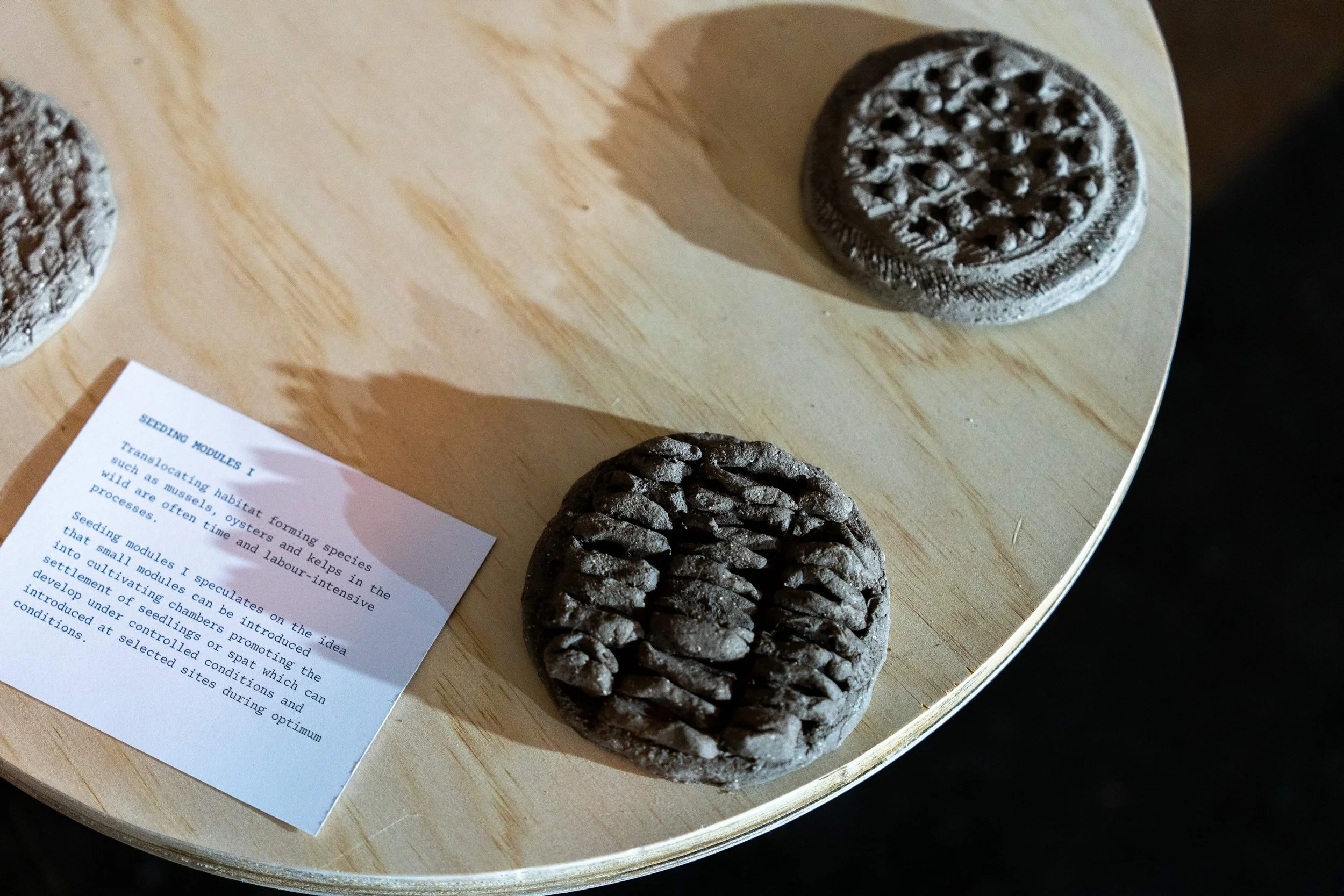
Images from left to right: Raingarden 2.0 installation (photo credit Alex Felson), Weaving Three Stories workhop (photo credit Kate Spencer), prototyping acquatic habitats (photo credit Shane Hunt)
From rainwater harvesting and marine ecology to cultural weaving , in partnership with Port of Melbourne, FBIDEAs has supported a range of innovative projects that test what’s possible when community, creativity and industry come together.
Using the Port Education Centre located at 339-343 Lorimer Street Port Melbourne as the launchpad site, these initiatives have turned collaboration into action, transforming local partnerships, resources and ideas into living examples of what a sustainable city can be.
Water That Works Twice
The Remix Raingarden 2.0 project by the Urban Ecology and Design Lab (UEDLAB), at University of Melbourne, builds on the success of the Remix Raingarden pilot on Turner Street. By capturing stormwater from the Port Education site, and filtering it through newly installed rain gardens the project aims to create linkages between private and public land to enhance precinct resilience and biodiversity. All while engaging the general public and students visiting the Port Ed site about the role of the WSUD (Water Sensitive Urban Design) principles embedded in the future of Fishermans Bend.
It’s a living expression of the circular economy — a small but potent reminder that infrastructure, environment and community can thrive together.
You can check the installation out from the footpath on Lorimer Street, just outside the entrance to the Port Ed site.
Weaving Reconciliation through connection to place
The Port Ed site also hosted the second Weaving Three Stories gathering — a yarning and weaving workshop led by First Peoples to promote intercultural engagement in Fishermans Bend.
Looking across the water to the container cranes in the distance and the factories on the other side of the mouth of the Maribrynong River, participants were reminded just how the natural landscape has changed since settlement. They also learnt about some of the history of colonisation of Victoria and its ongoing impacts on First Peoples, and the untold stories of Fishermans Bend - while connecting with each other and sharing stories of culture and learning about coil weaving.
The session transformed space into ceremony — showing that reconciliation grows through active partnership, one conversation and one weave at a time.
A Partnership Beneath the Surface
With the support of Port of Melbourne, FB IDEAs is also supporting Novel Aquatic Habitats, a research-led project developing new ways to enhance biodiversity in highly urbanised and degraded natural areas, such as the lower Birrarung (Yarra River) in Fishermans Bend. The project is exploring ways to rethink the role of design in aquatic urban centres and will prototype novel aquatic habitats in the waterways in and around Fishermans Bend.
Together with Port of Melbourne, the team plans to deploy prototype habitats in early 2026 in the waterways in and around the Port Ed site — a quiet but powerful reminder that collaboration can transform even the most industrial environments into ecosystems of renewal.
Built on Trust and Collaboration
Together, these projects show that innovation isn’t just about technology — it’s about trust and collaboration.
Sarah Browne, Port of Melbourne’s Executive General Manager Corporate Relations, said,
“FB IDEAs has enabled us to back initiatives that benefit the environment and bring communities together. As a city port, we value partnerships like this that help us make a meaningful difference for the communities around us.”
By opening doors, sharing resources and backing ideas that might otherwise never leave the drawing board, FBIDEAs and Port of Melbourne are helping Fishermans Bend become a place where bold thinking meets real-world change.